Transit Metric
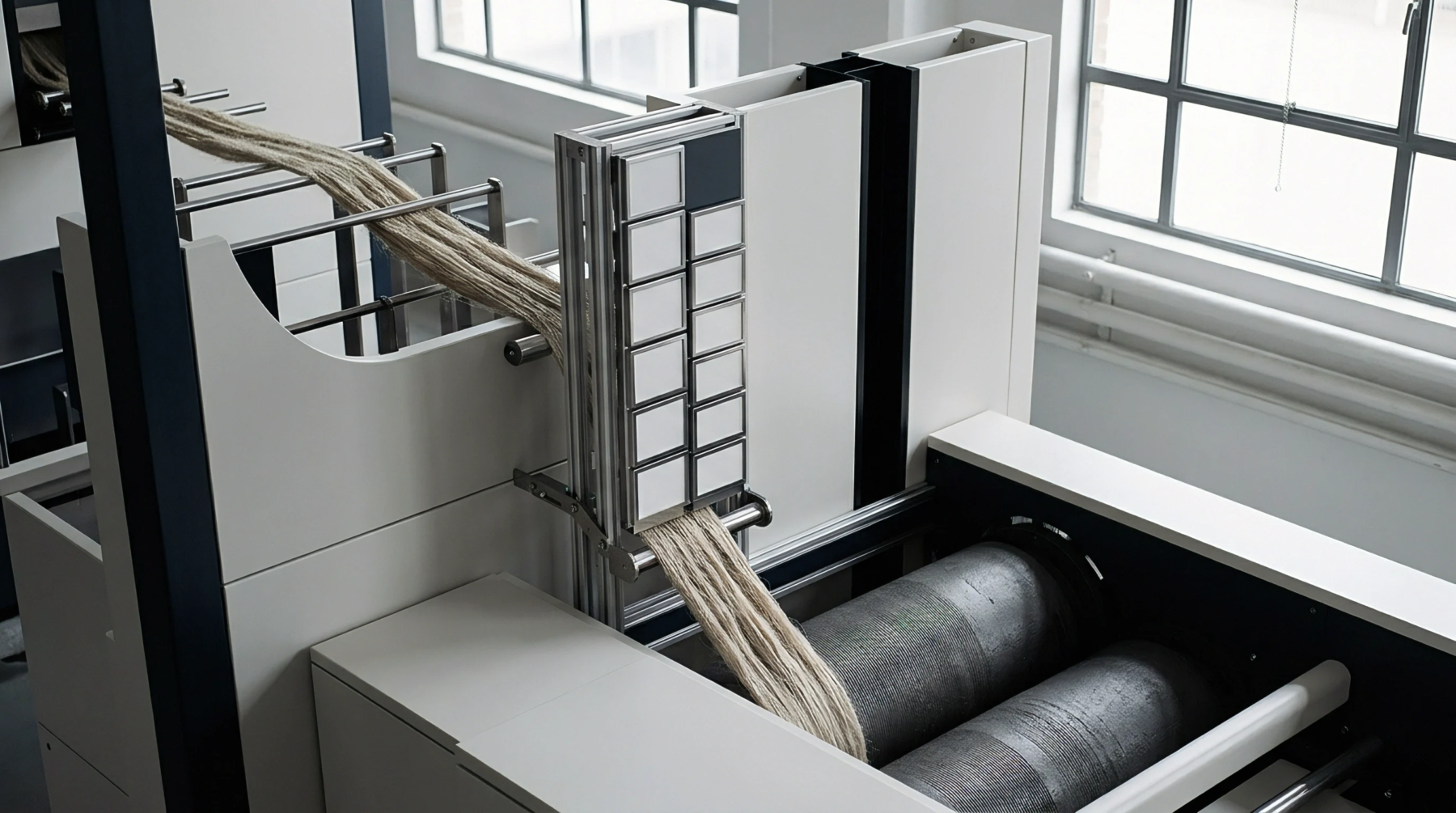
Flax fibre movement speed across the production floor represents the physical rate at which raw stalks or processed tow pass through mechanical stations from bale intake to final spinning. This floor transit velocity quantifies the duration of material residence within the mill per unit of machine throughput. Operational bottlenecks show up when this value drops, indicating idle machinery or suboptimal belt speed.
Logistical Standard
Production schedules use these temporal measurements to synchronize the output of primary scutcher lines with the input requirements of downstream spinning frames. Managers set targets for this movement based on the inherent moisture content and fibre tenacity of the specific flax lot being processed. High humidity often slows the transit of material through dry spinning lines, requiring adjustments to the motor frequency of conveyor belts to prevent fibre breakage.
Constant monitoring of this transit speed provides a reliable check on the health of the internal supply chain, ensuring that the volume of fibre leaving the carding stage matches the capacity of the drawing frames. The stability of this rate predicts the final consistency of the yarn diameter and strength in the resulting textile products.
Quality Interface
Finished rolls undergo a final check against procurement specifications where the recorded transit history provides the audit trail for lot traceability. Buyers compare these temporal logs against the standard acceptance criteria to determine if the fibre underwent excessive mechanical stress during the production cycle. Excessively fast movement through the cleaning stage often results in damaged fibres that fail structural integrity tests.
The documentation of this velocity serves as the proof of processing conditions for export certification. Consistent adherence to planned transit ranges guarantees that the mechanical strain remains within the tolerance limits defined by the quality control department.