Processing Stage
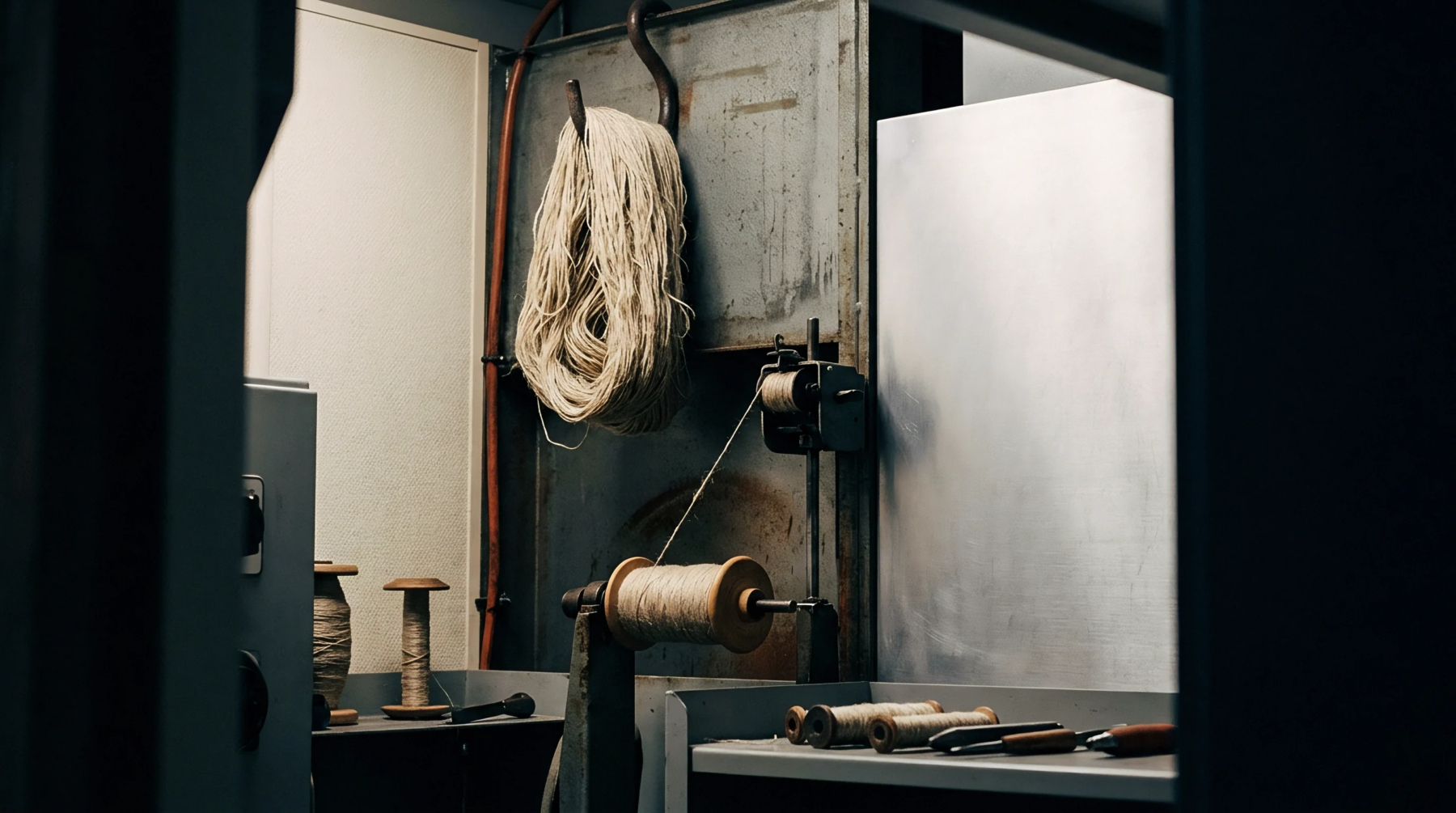
Industrial yarn production begins with the transformation of prepared bast fibres into continuous strands. The wet method of flax spinning draws long line fibres through a hot water bath to soften the natural pectins before drafting and twisting. This procedure enables the production of fine, high-strength yarns suitable for high-density weaving.
Hot water temperatures typically range from sixty to eighty degrees Celsius to achieve the necessary pectin softening without degrading the cellulose structure. The process ceases when the wound bobbins are transferred to the drying area.
Yarn Yield
Agricultural fibre quality directly determines the efficiency and output of the yarn manufacturing operation. High-grade long line flax provides a consistent turnout with minimal waste, whereas short tow fibres generate higher break rates during the drafting stage. Mill records document the ratio of raw material input to finished yarn packages to assess this performance.
The resulting measurements guide yarn pricing and allocation.
Quality Standard
Standard specifications define the tensile strength, evenness and imperfection limits of the completed linen yarn. Mill laboratories measure these parameters on automatic testers to ensure compliance with international trading rules. Spinners adjust twist multipliers and water temperatures to meet the specific requirements of the buyer.