Process Waste
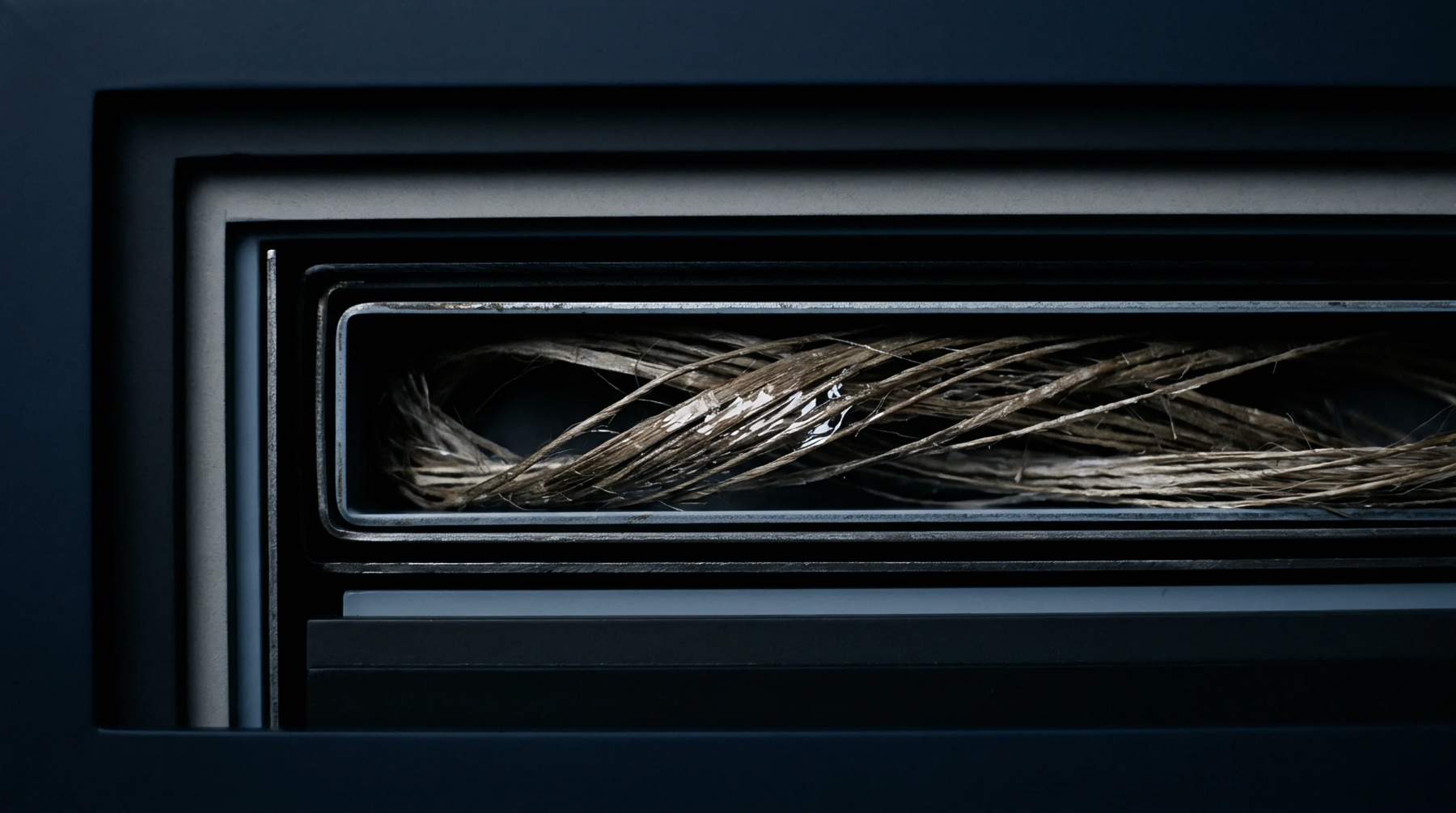
Accumulation of fibrous dust and chemical residues inside drying and finishing machine ventilation lines creates operational and safety hazards. Mill logs monitor exhaust duct deposition as flax fibers are heated and dried, which releases loose microfibers and volatile organic finish compounds into the exhaust stream. The residue builds up on the internal surfaces of the ducts, reducing air flow and increasing the risk of duct fires.
Maintenance teams record the thickness of this buildup in the mill’s safety register.
Lint Collection
Lint and chemical vapor carryover are the primary contributors to exhaust duct deposition in the linen stenter frames. Airflow velocity must be maintained at a level that keeps these light particles in suspension until they reach the filtration system. When the extraction rate drops, the particles settle out and form a thick, sticky layer of combustible material on the duct walls.
This reduces the drying efficiency of the textile machines and increases the energy consumed by the fans. Technicians inspect the ducts using automated cameras to plan cleaning schedules.
Ventilation Standards
Ventilation standards require regular cleaning of the exhaust system to prevent fire and maintain air quality. Air flow pressure is measured at several points along the ducting before and after cleaning to verify system performance. This routine inspection protects the mill from costly downtime and ensures compliance with local industrial safety laws.