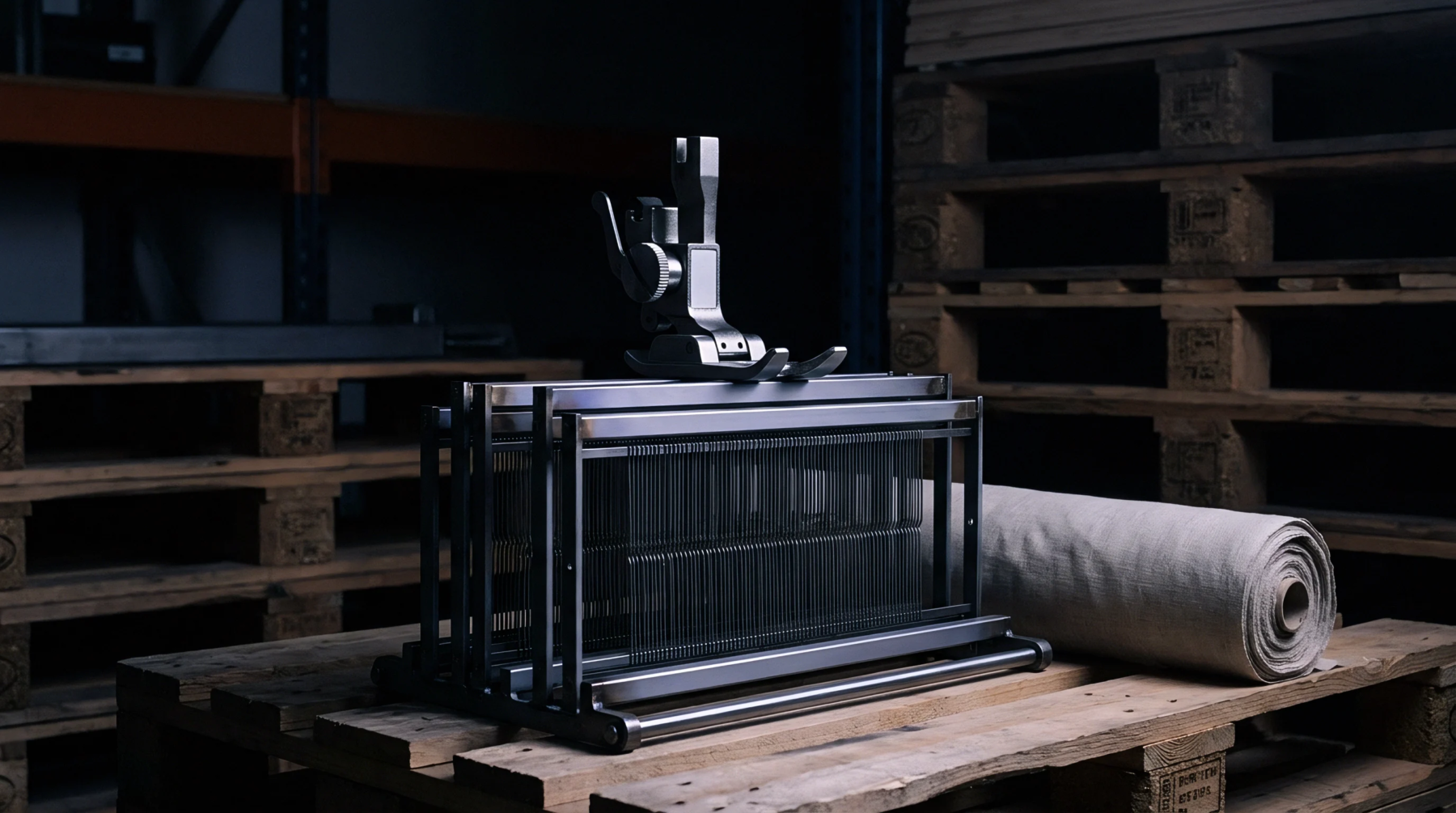
Spindle Allocation
Mathematical calculations determine how flax roving moves between drafting rollers and bobbins during spinning operations. The erlang queuing model governs this machine scheduling by treating operator availability as a service channel that handles random mechanical stoppages. Mathematical functions evaluate the probability of service delay when raw material demand exceeds active staffing levels across factory floors.
Queue parameters calculate waiting times for roving repairs without relying on deterministic machine speeds. Mill technicians apply these formulas to balance roving frame utilization against operator workloads.
Operator Capacity
Queue mathematics establish worker staffing ratios by measuring the frequency of yarn breakage on spinning frames. Production managers use arrival rates of mechanical failures and service rates of operators to prevent excessive machine downtime. Mathematical evaluations demonstrate how idle times fluctuate when yarn twists tighten during high humidity shifts.
Factory supervisors adjust staffing schedules according to the calculated probability of queues forming behind stalled spindles.
Service Queue
Mathematical probability functions quantify the idle periods that occur when processing units wait for manual intervention. Analytical evaluations determine the exact number of roving frames an operator can manage before output drops below factory targets. Production logs record downtime events to verify whether arrival distributions match theoretical calculations used in mill planning.
Mathematical models fail when yarn tension fluctuations alter the fundamental rate of machine stoppages unpredictably.