Preparation Medium
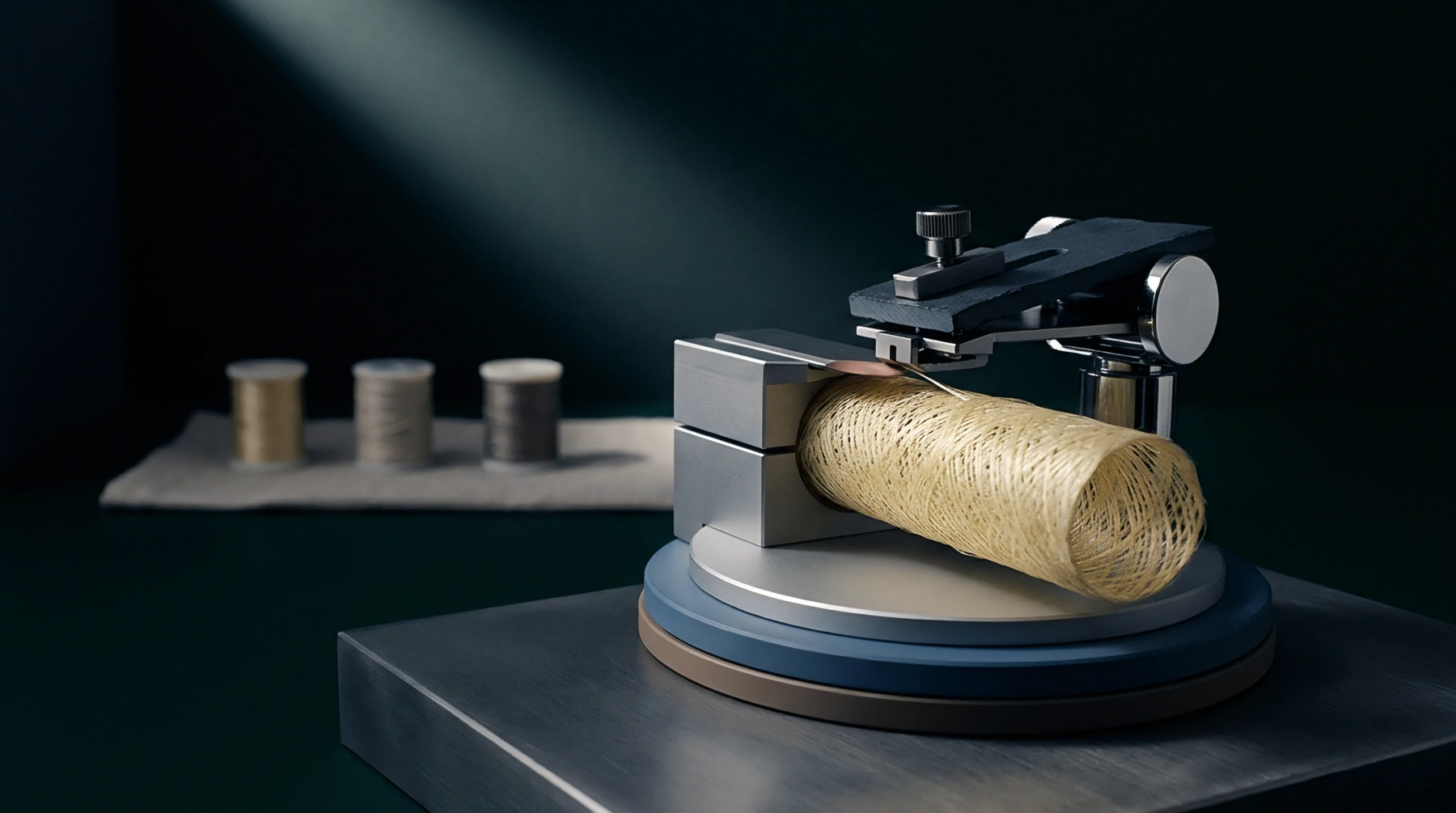
Synthetic polymers provide the structural support required by delicate linen fibres during high-resolution microscopic sectioning. An epoxy embedding resin fills the spaces between the fibres and locks them into a rigid block for cutting. This chemical compound polymerizes into a hard matrix that prevents the hollow structures of the flax from collapsing under the force of the microtome blade.
Using a medium of incorrect hardness leads to tissue tearing and distorted cross-sectional shapes. When the specimen is secured correctly, the blade slices through the fibre and the polymer at an identical rate, preserving the microscopic detail.
Curing Process
Thermal treatment activates the polymerization of the liquid monomer into a stable solid block. Technicians must mix the epoxy embedding resin with specific ratios of hardener and plasticizer to match the hardness of the flax cell walls. This blending prevents block fracturing during the subsequent wafering step.
A typical curing cycle requires heating the prepared moulds at sixty degrees Celsius for twenty-four hours to ensure complete cross-linking.
Analytical Integrity
Sample deformation during mounting compromises the accuracy of all subsequent digital diameter measurements. If the epoxy embedding resin fails to penetrate the fibre bundles, the empty cavities deform under physical pressure. Such failures prevent the extraction of clean boundary profiles during image processing.
The resulting datasets then fail to meet the strict quality standards demanded by commercial spinners.