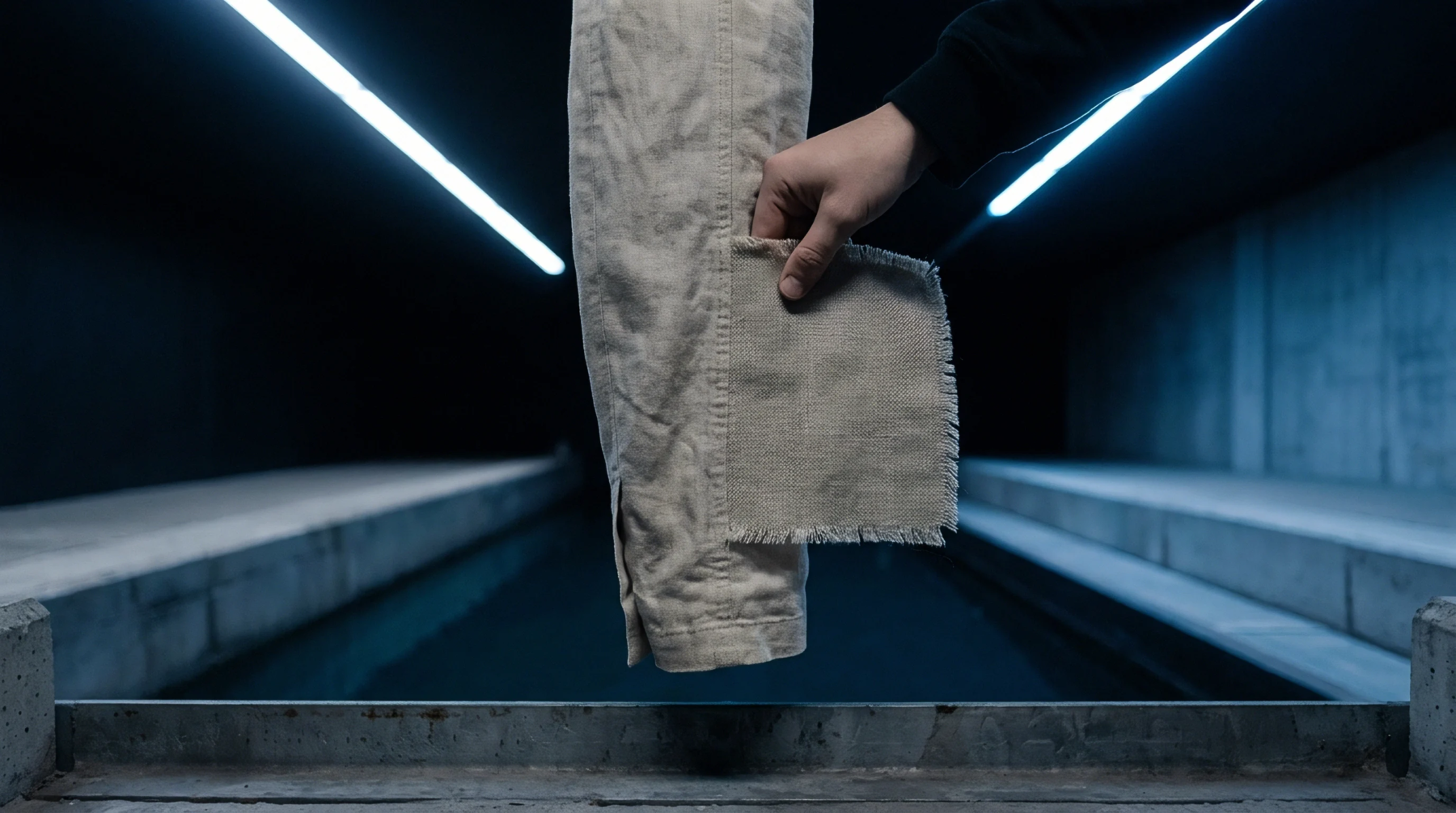
Environmental Stabilization
Enclosed atmospheric control apparatus regulates relative humidity and thermal parameters inside flax processing facilities prior to yarn testing. A conditioning chamber stabilizes raw bast fibers and spun linen yarns to a designated moisture regain percentage before physical strength evaluations occur in Chinese textile laboratories. Ambient fluctuations across seasonal shifts alter natural cellulose moisture content, which skews tensile measurements unless ambient conditions remain strictly locked.
Atmospheric conditioning standard ISO 139 dictates precise dry bulb temperatures and relative moisture percentages for conditioning textile specimens. Technicians place yarn bobbins on perforated shelves inside the metallic enclosure where forced air circulation prevents microclimates from forming around dense packages.
Regain Equilibrium
Hygroscopic flax fibers absorb or release ambient moisture until reaching stable equilibrium with surrounding air pressure and saturation levels. Internal sensors monitor water vapor density continuously while proportional valves adjust steam injection and refrigeration compressors to maintain target parameters within tight tolerances. Equilibrium moisture content for dry spun linen settles near twelve percent when operators set the internal atmosphere to standard laboratory limits.
If ambient humidity drops below required thresholds, dry flax strands become brittle and return artificially elevated breaking loads during dynamometer pulls. Prolonged exposure inside the automated enclosure eliminates batch discrepancies caused by regional weather variations between northern agricultural provinces and southern coastal spinning mills.
Acceptance Verification
Quality auditors inspect conditioned yarn samples against buyer specification sheets before certifying commercial lots for export markets. Export documentation requires signed test certificates verifying that tensile strength trials occurred strictly following moisture stabilization protocols. Buyers reject delivery consignments when third party inspection houses discover that testing laboratories omitted preconditioning cycles for high density yarn packages.
Mechanical calibration logs verify sensor accuracy against certified hygrometers twice per calendar year to prevent systematic calibration drift during continuous operations. Reliable moisture conditioning prevents commercial disputes over breaking length and elongation metrics by establishing uniform baseline data for international linen trade.