Guidance Geometry
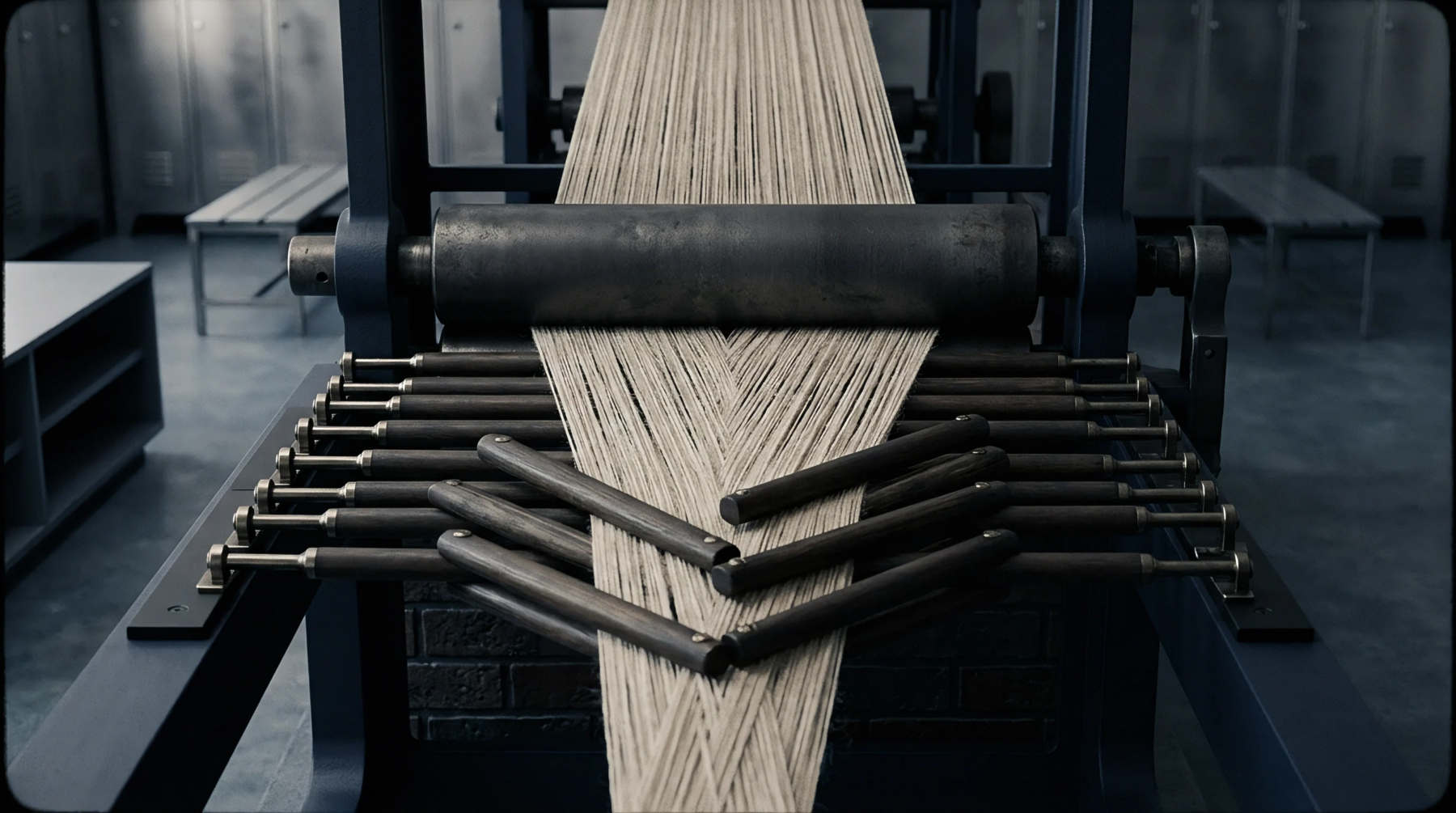
Stationary yarn routing inserts made of sintered metallic oxides channel moving bast strands across preparatory equipment and spinning frames. Sintered ceramic eyelets provide smooth routing channels that endure continuous abrasive contact from bast fibres without premature grooving. Polycrystalline alumina or titania compositions dominate these installations because unrefined flax yarn carries natural pectin and hard surface asperities that erode hardened steel within hours of continuous run time.
The component boundaries stop where rotational yarn delivery begins, excluding rotating guide rollers or dynamic tension discs.
Surface Friction
Frictional coefficients between flax roving and guide surfaces drop considerably under polished ceramic contact compared to metallic routing. Glazed alumina structures generate stable contact resistance while resisting the chemical scouring of wet-spinning baths that dissolve standard alloy platings. Dry flax strands deposit micro-scale woody fragments against inner apertures, yet dense crystalline surfaces prevent fibre fragments from embedding into microscopic pores.
High operating speeds can generate localized heating across low-grade eyelet rings, scorching bast cellulose and triggering yarn breaks.
Replacement Protocol
Optical inspection gauges evaluate interior aperture wear across spinning and winding departments. Mill maintenance schedules mandate swapping ceramic eyelets whenever micro-grooving exceeds fifty micrometres in depth, as notched guide rims cut dry linen filaments and generate fuzz rings on wound packages. Greige fabric inspection frequently traces warp streakiness back to split ceramic eyelets on the creel wall that frayed individual yarn plies before sizing.
Facility operating records log eyelet service hours against raw yarn metric counts, whereas customer technical teams inspect final yarn hairiness test sheets to verify that guide degradation has not compromised delivery quality. Defective eyelets discard into solid non-hazardous waste bins because sintered alumina cannot undergo re-machining or surface relapping.