Impact Boundary
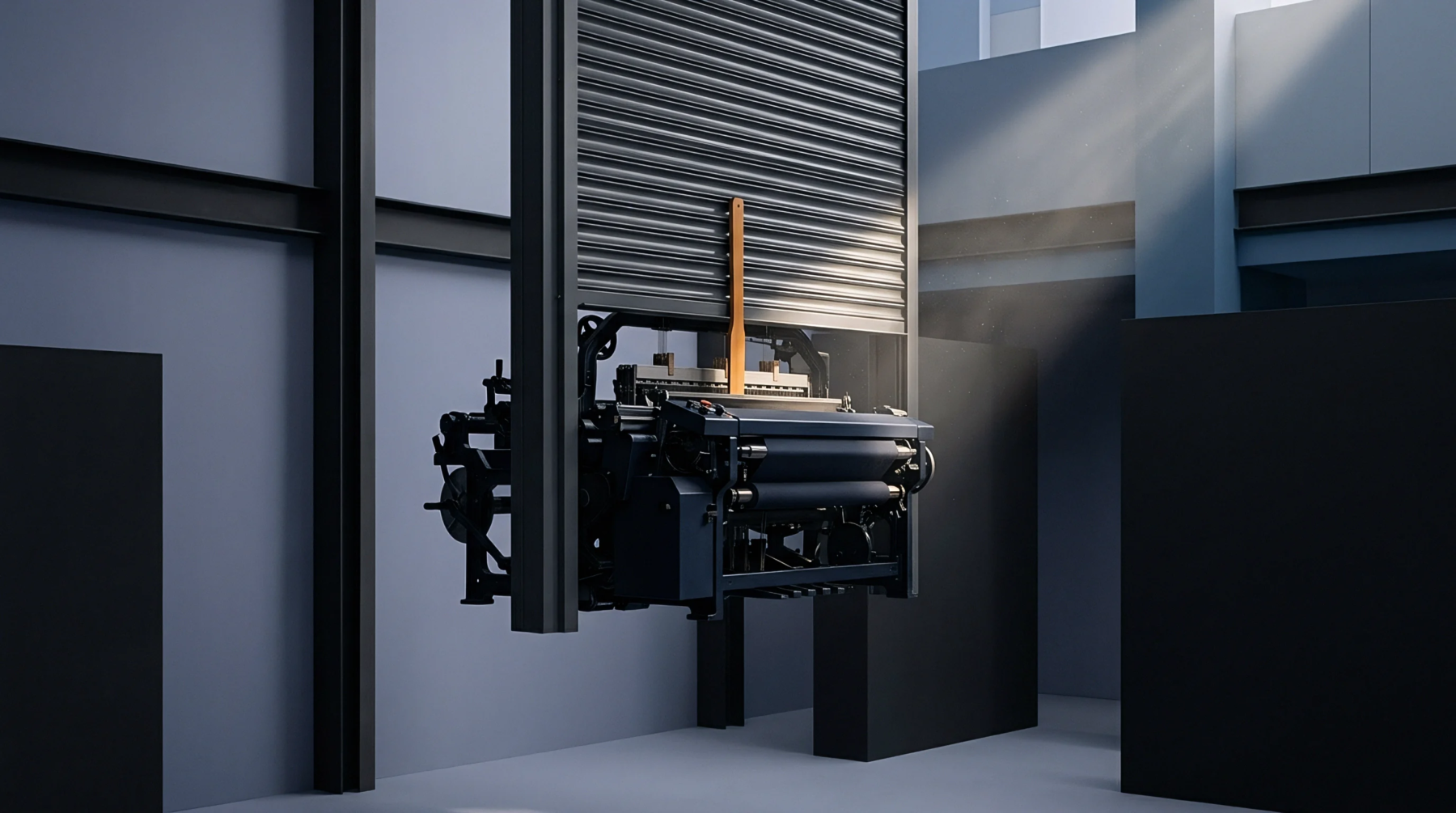
Physical junction between unwoven warp yarns and newly formed fabric establishes the density line during weaving. The beat-up fell marks the precise location where the loom reed compresses the inserted weft yarn against the cloth package. In flax weaving, high pick resistance at this boundary requires rigid reed blades and stable warp tension.
Mill inspection records track position movement to prevent thick and thin bars.
Displacement Behavior
Dynamic movement of the fabric line occurs under reed impact as warp yarns stretch and recover during the shed change. Heavy wet-spun linen fabrics exert high resistance against the advancing reed, causing temporary backward displacement of the beat-up fell. Electronic let-off and take-up drives adjust warp feed rate to maintain constant fell position throughout the shift.
Deviations in fell position alter pick density, leading to visible shade bands or stripiness in dyed linen cloth. Weaving technicians calibrate backrest roller height and splay angles to stabilize this contact line under high beat-up force.
Mechanical Boundary
Mechanical stopping limits prevent reed mark formation when air-jet looms pause for weft repair. Stop marks emerge when the beat-up fell shifts away from its equilibrium point during idle downtime. Machine restart algorithms apply compensation pulses to take-up motors.