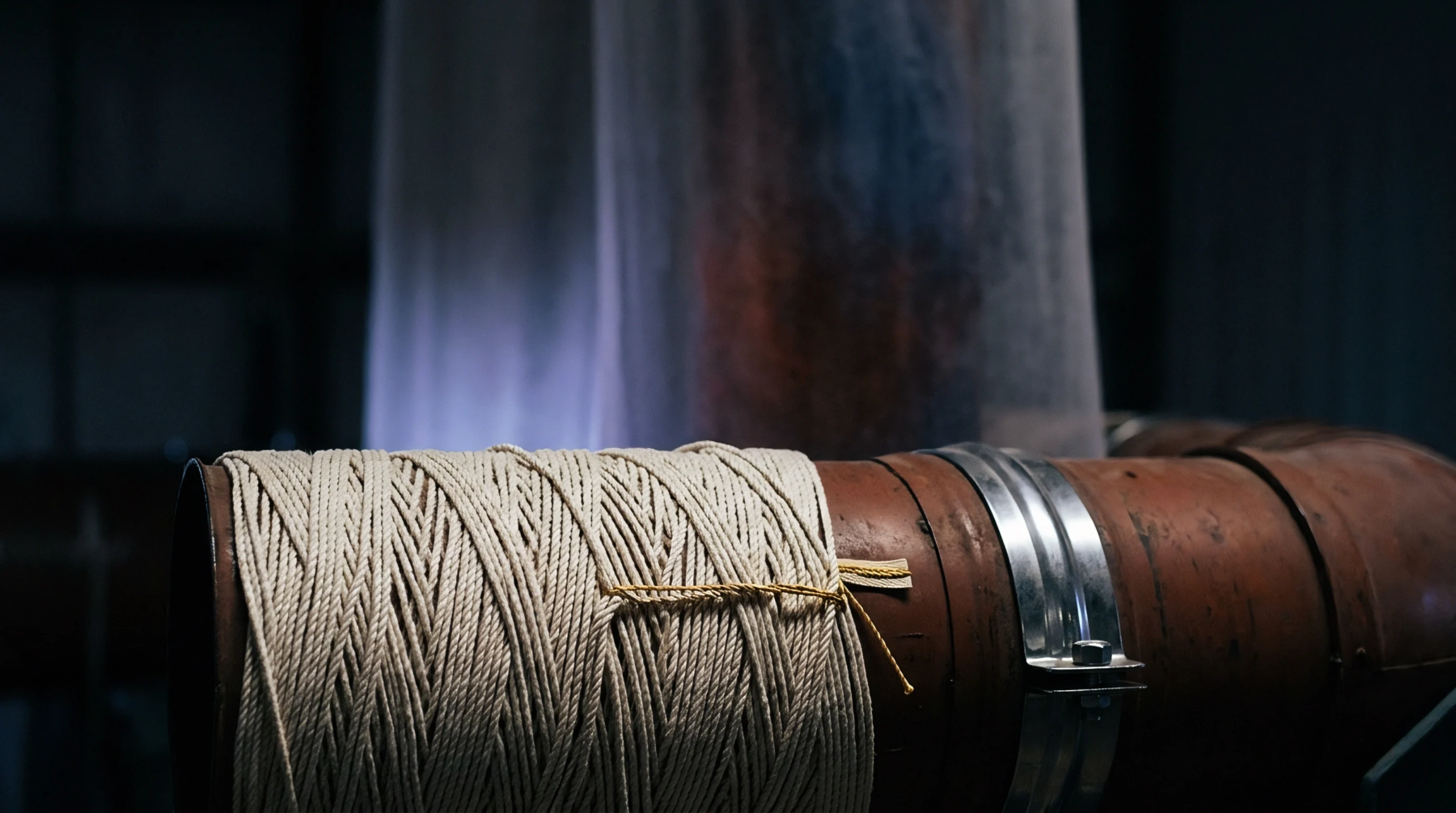
Rotational Resistance
Resistance to changes in rotational velocity characterizes the mechanical behavior of a loaded warp carrier during the weaving process. A high level of beam inertia occurs when the massive cylinder, wound with thousands of meters of linen yarn, requires specific torque levels to accelerate or decelerate. Calculating this value is necessary because it changes continuously as the yarn depletes and the radius of the package decreases.
Tension Control
Fluctuations in the force required to rotate the carrier affect the consistency of the let-off motion in the loom. Automated sensors measure the diminishing weight and diameter to adjust the motor output, ensuring that the yarn tension remains within the narrow tolerances required for high quality linen cloth. Every adjustment is handled by a computer that accounts for the mass of the beam inertia to prevent the sudden jerks that lead to yarn breakages or visible defects in the woven fabric.
If the system fails to compensate for the weight, the fabric density becomes uneven.
Braking Requirement
Stopping a high speed loom necessitates precise calculation of the kinetic energy stored in the rotating mass. A secondary braking system often assists the main motor when beam inertia is high to prevent over-running during emergency stops, a safety measure that protects both the delicate linen threads and the mechanical integrity of the machine. Limits are placed on the maximum operating speed based on the ability of the mechanical parts to stop the rotation safely.