Standard Method
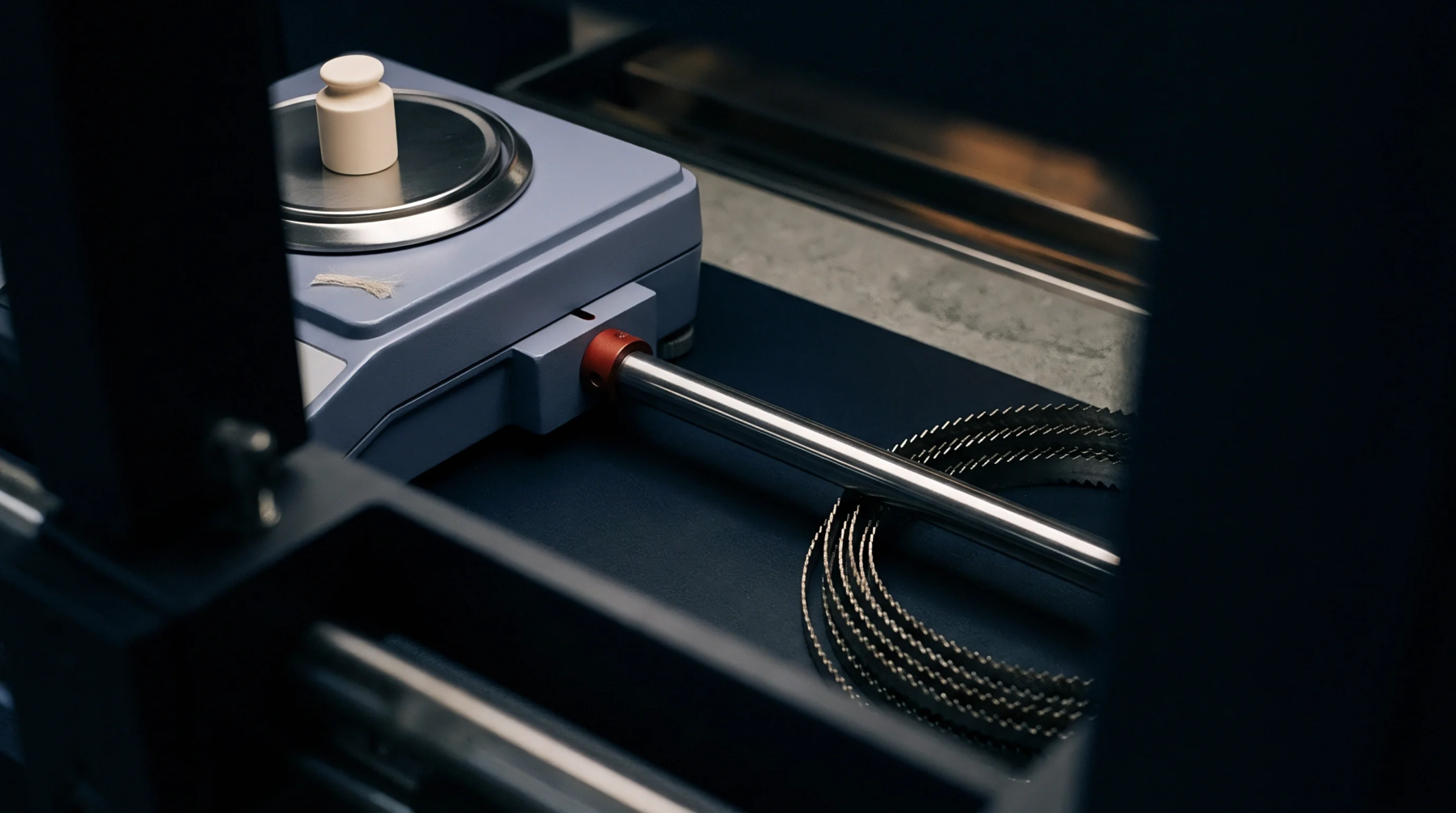
Standard laboratory procedures for determining the linear density of yarn extracted from short textile samples guide the assessment of warp and weft sizes in manufactured fabrics. The protocol designated as astm d1059 applies specifically to specimens of short length, typically under nine meters, where traditional skein methods cannot be utilized. It provides a structured approach to measure yarn number, ensuring that mill workers can verify the weight and thickness of both warp and weft threads before large-scale batch processing begins.
This technique operates by extracting threads from a fabric sample, removing their crimp under a specified load, measuring their straightened length, and then determining their oven-dry mass. By converting these measurements into standard indirect or direct yarn numbering units, the mill establishes a reliable basis for quality disputes.
Specimen Extraction
Precise extraction of these brief yarn lengths requires careful tension control during removal from the interlaced structure to avoid elongation or distortion. Under astm d1059, the specimens are conditioned in a standard atmosphere before being measured and weighed on an analytical balance. This step eliminates discrepancies caused by varying moisture levels in natural flax, ensuring highly repeatable calculations of count.
Count Verification
Comparing the resulting values with the buyer’s yarn specification sheets confirms that the spun linen meets the desired yarn count. The use of astm d1059 is particularly critical in export scenarios where fabric weight disputes arise from slight yarn variations. Mills use these findings to adjust spinning frame drafts or to reject yarn shipments from external spinning subcontractors.
This verification prevents the forming of substandard fabric that would fail export inspections.