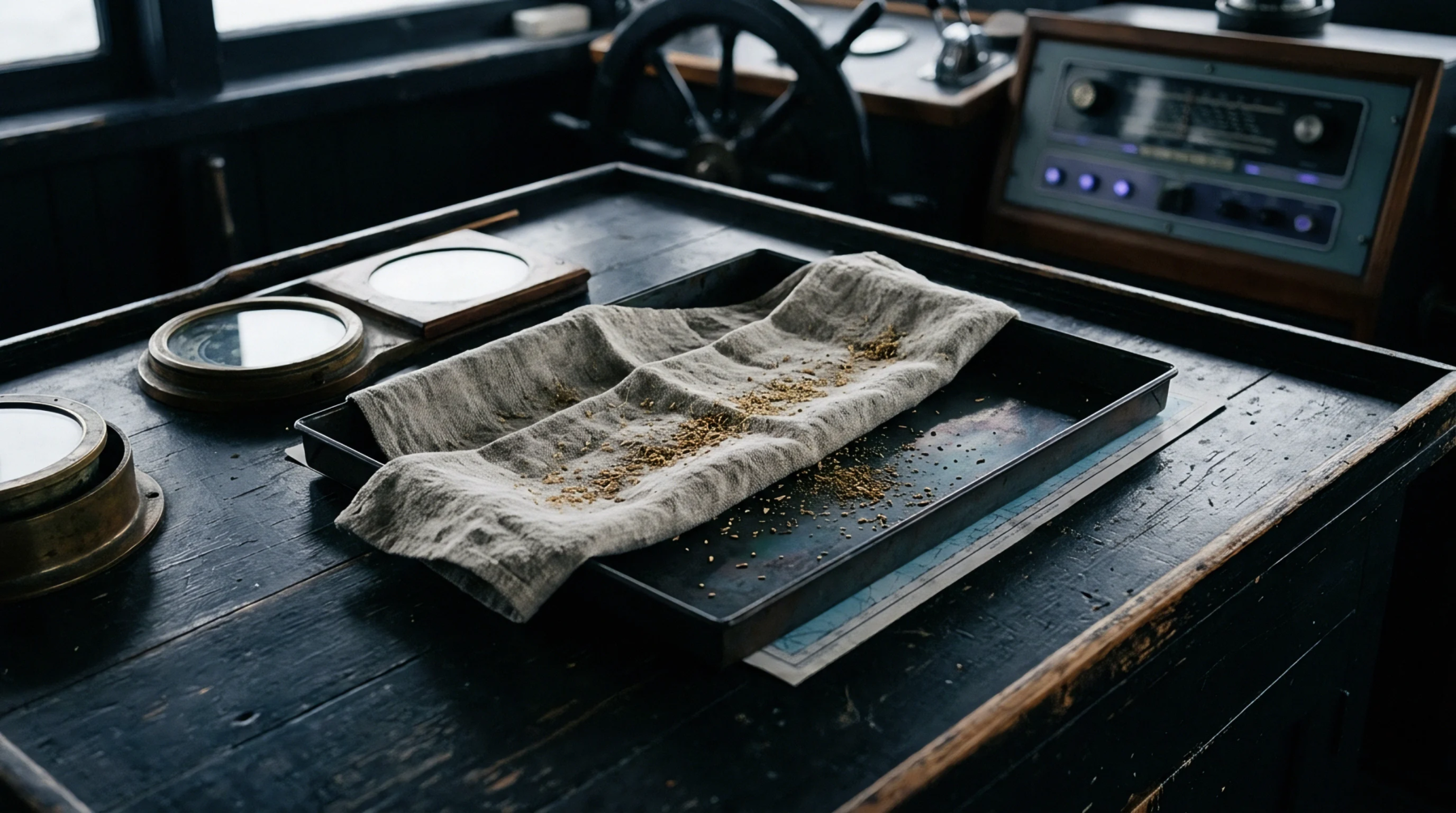
Sample Pyrolysis
Continuous mass loss recording under controlled atmospheric heating characterises thermogravimetry during the preliminary thermal degradation stages of flax slivers. Raw plant stalks contain moisture, pectins, and hemicellulose fractions that decompose at lower temperatures than cellulose backbones. Laboratory technicians load small combed sliver specimens into platinum sample pans suspended from microbalances inside automated electric furnaces.
Nitrogen gas purges the chamber continuously to prevent oxidative combustion while heating proceeds at ten degrees per minute from ambient levels up to six hundred degrees Celsius. Data acquisition software logs mass reduction curves against rising temperatures simultaneously.
Decomposition Kinetics
Kinetic parameter extraction demands precise mathematical treatment of residual mass percentages recorded during the primary cellulose pyrolysis phase. Activation energy values derive from multiple heating rate experiments evaluated through Arrhenius equations without assuming single reaction models. Flax fibre degradation involves simultaneous competing reactions where pectin breakdown overlaps with hemicellulose volatilization near two hundred seventy degrees Celsius.
Cellulose pyrolysis follows immediately between three hundred and three hundred eighty degrees Celsius leaving carbonaceous char residues behind. Reaction order coefficients fluctuate according to retting method variations applied during initial fibre preparation stages.
Residue Analysis
Final ash content quantification establishes mineral contamination levels remaining after complete organic burnout inside the platinum crucible. Commercial flax lots containing excessive field soil or residual retting liquor display higher inorganic residue percentages than thoroughly washed premium yarns. Export quality certificates reference these dry mass retention values to verify compliance with spinning mill cleanliness tolerances before mechanical carding begins.
Furnace cool down times dictate total cycle duration for commercial testing laboratories processing multiple sliver batches daily.