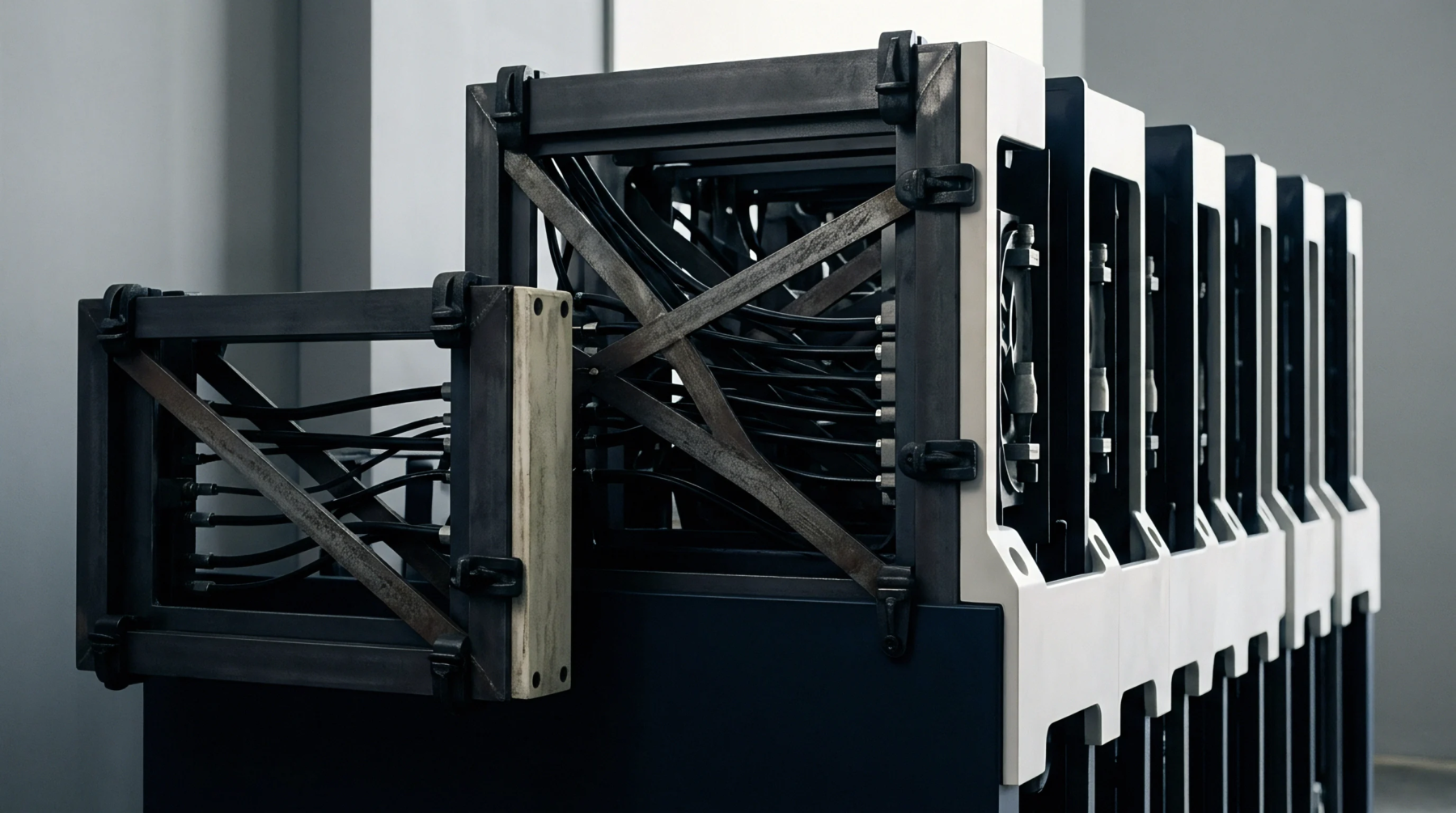
Kinetic Impact
Kinetic force applied by the mechanical beaters or scutching blades determines the efficiency of the shive removal. Controlling the strike velocity is necessary to balance the cleaning action against the risk of fibre breakage. If the impact is too slow, the wooden core remains attached to the fibre bundles.
If the impact is too fast, the blades chop the valuable long fibres into short, low value tow. This calculation remains the primary driver of mill profitability during the raw extraction phase.
Machine Adjustment
Variable frequency drives allow the mill operator to fine tune the rotational speed of the scutching drums. The ideal strike velocity depends on the moisture content and the thickness of the flax straw being processed. Sensors monitor the drum speed and provide feedback to the central controller to maintain a constant impact force.
This ensures consistent quality across the entire batch.
Fibre Yield
Higher speeds generally increase the throughput of the mill but often at the cost of the total long fibre yield. Economic optimization requires finding the point where the shive content is acceptable without sacrificing the structural integrity of the flax. This balance is checked through daily laboratory analysis of the scutched fibre.