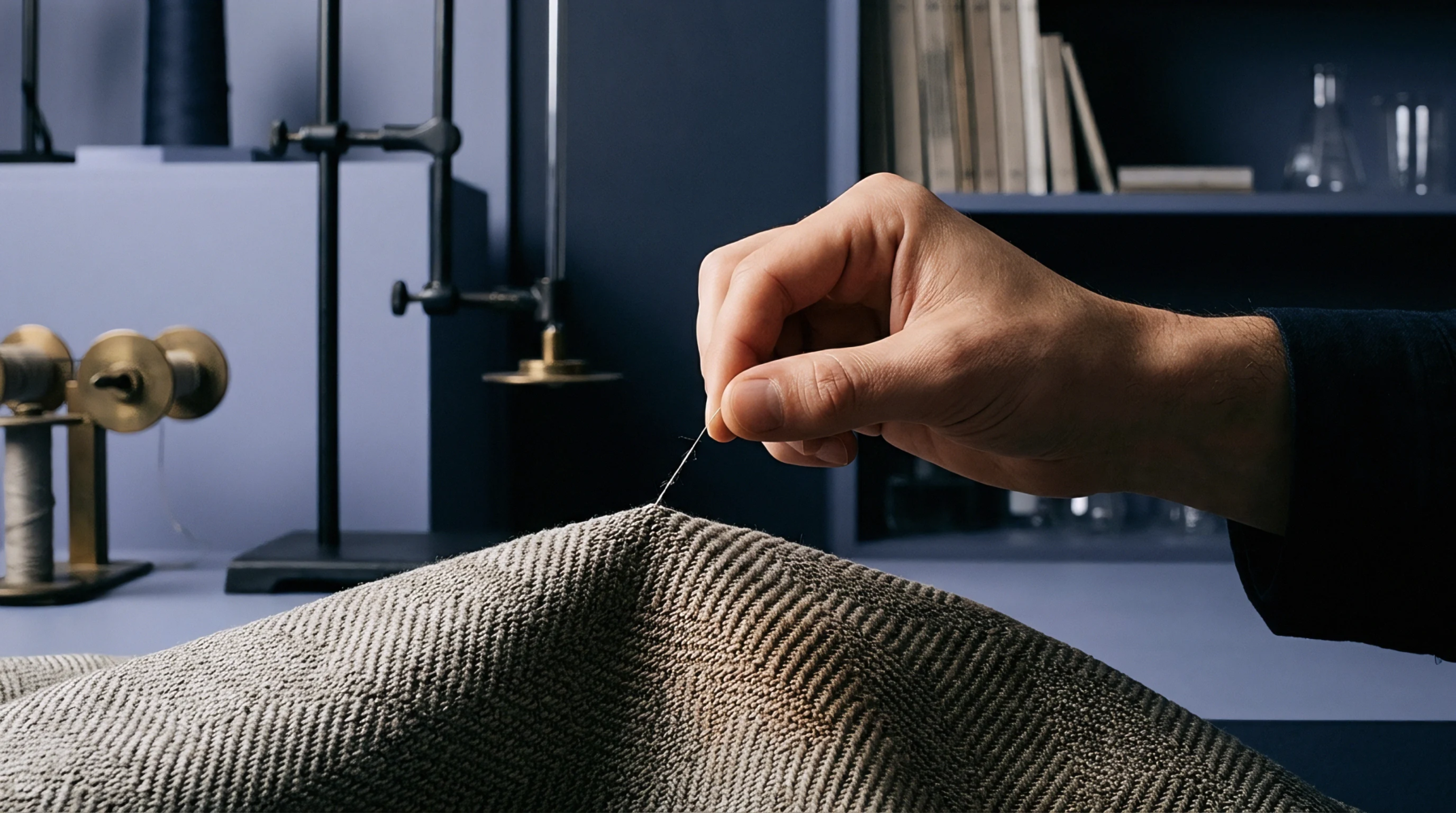
Cellular Woody Contaminant
Residual fragments of the woody stem core remain embedded within bast fiber bundles following incomplete mechanical separation during scutching and hackling operations. The presence of shive inclusion downgrades fiber market value by introducing rigid, non-dyeing, non-flexible botanical debris into refined textile slivers. These lignified stem pieces resist chemical hydration, dye absorption and mechanical elongation during textile processing.
The technical threshold for shive tolerance diminishes across the manufacturing flow, shifting from standard scutching allowances down to strict zero-defect thresholds in finished apparel fabrics.
Mechanical Elimination Obstacles
Scutching turbines and hackling pin combs strip outer bark and shatter inner xylem cores, yet tiny woody splinters cling tenaciously to unretted pectin patches along bast filaments. Mechanical carding operations bend and break remaining shives, but high friction risks snapping delicate elementary flax fibers alongside the debris. Chemical retting and hot-water wet spinning troughs attempt to soften residual lignin adhesives, releasing bound shives into process wastewater.
Microscopic shive fragments that survive chemical baths pass directly into roving strands, lodging irreversibly between twisted fiber bundles.
Fabric Quality Degradation
Entrained woody debris breaks spinning continuity, causing frequent ends-down on spinning frames and loom halts across high-speed weaving sheds. Remaining shive particles resist synthetic dyestuffs, causing undyed specks, surface slubs and yarn abrasions that degrade finished linen cloth. Final inspection frames reject export fabric displaying high shive counts using automated optical inspection arrays that detect dark surface blemishes against the woven ground.
Chemical bleaching recipes powerful enough to dissolve woody lignin damage adjacent cellulose chains, making complete mechanical removal the only safe pathway for defect control.