Decomposition Benchmark
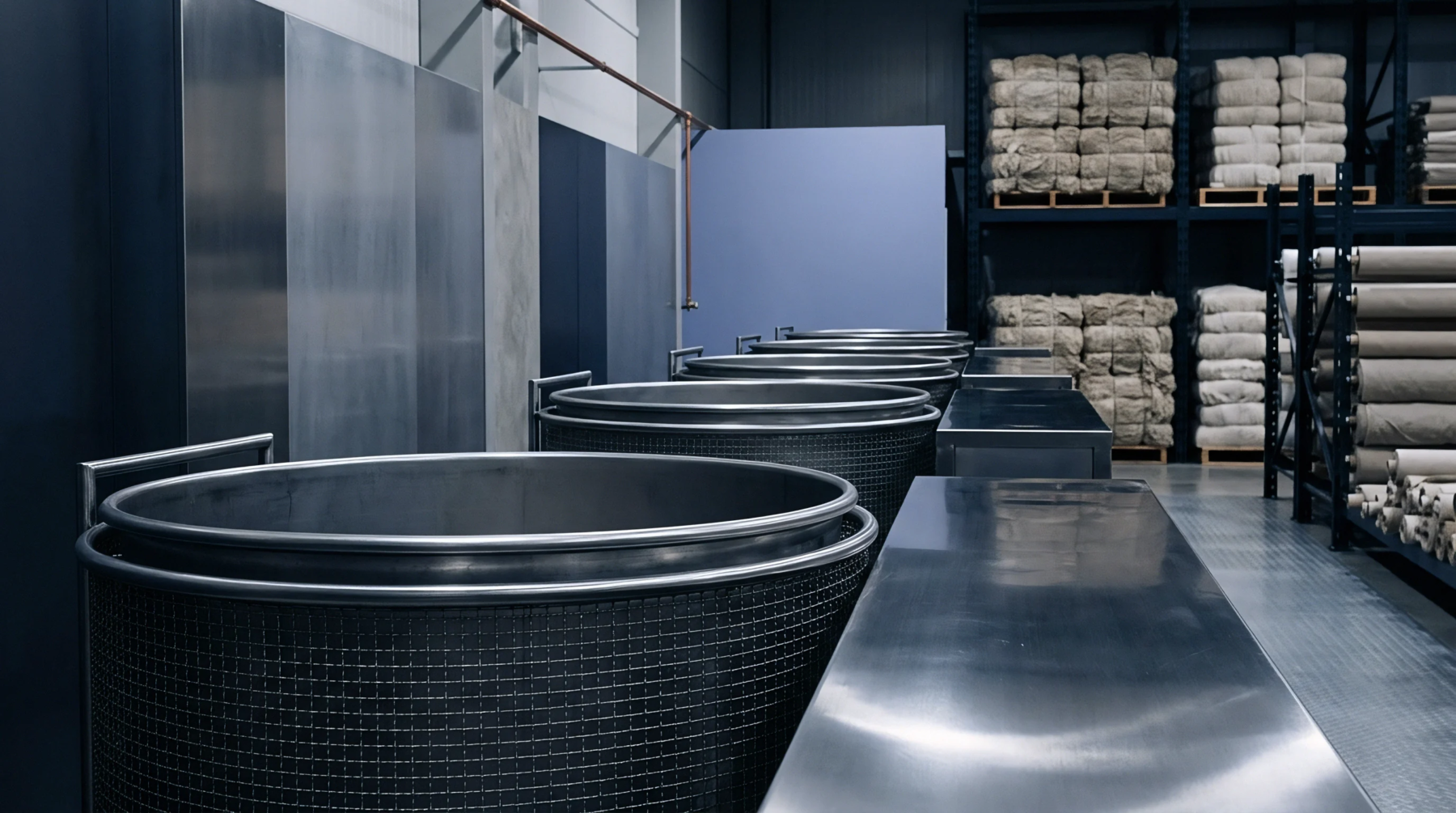
Biological standards for the duration and moisture level required for the microbial breakdown of the pectic substances that bind flax fibres to the woody stem provide a reference point for crop quality. Retting baseline establishes the expected timeframe for dew retting in specific climatic conditions or water retting in temperature controlled tanks. This value allows agronomists to predict the harvest window based on local humidity and rainfall data.
Environmental Influence
Fluctuations in ambient temperature or soil moisture can cause the actual retting speed to deviate from the established norm. If the process exceeds the retting baseline, the cellulose fibres may be attacked by fungi, leading to a loss of tensile strength. Conversely, an incomplete retting cycle makes it difficult to separate the fibre from the straw without causing mechanical damage during scutching.
Farmers monitor the color and brittle nature of the stems daily to ensure the process stops at the ideal moment.
Grading Utility
Comparison of the current crop against the historical average helps graders determine the market value of the raw material. The retting baseline is recorded in the field log alongside the final fibre yield and color assessment. Experts use these figures to adjust the settings of the scutching machinery to compensate for variations in the ease of fibre release.