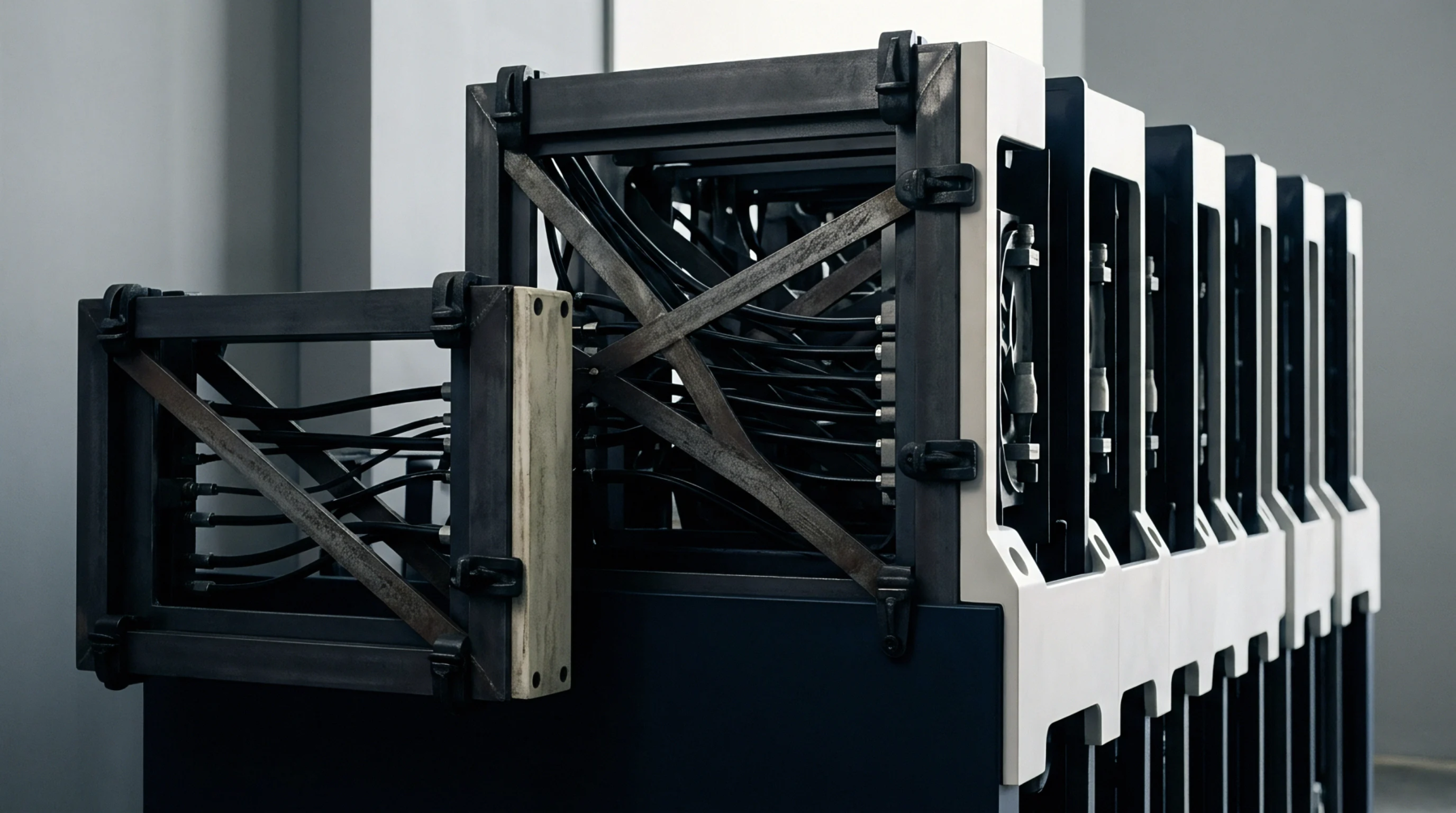
Machine Coordination
Digital control architecture regulates the mechanical sequence of textile machinery to maintain output parameters without manual intervention. This process automation replaces individual operator oversight at the yarn spinning and weaving stages of flax production. Controllers receive feedback from sensors detecting moisture levels or tension fluctuations during high speed operations.
Logic units compare these readings against preprogrammed limits and adjust motor speeds accordingly. Precise modulation of these mechanical variables prevents yarn breakage while ensuring uniform thread count across entire batches.
Control Boundary
Regulatory protocols define the exact moment where automated logic overrides physical operator input. Engineers set specific tolerance zones for tension on looms to ensure that weaving efficiency remains stable during peak production cycles. Software updates record these shifts within the mill logs to verify that the final product adheres to contractual specifications for grade consistency.
Automated systems stop a loom if the fibre tension deviates from the set point, preventing defects that would force a lower classification of the finished cloth.
Output Verification
Analytical software confirms that the mechanical adjustments performed by the system match the physical quality requirements of the buyer. Automated inspection tools calculate thread density and detect structural anomalies at the finishing stage to ensure the fabric meets agreed acceptance criteria. Reports generated by this equipment verify that the automated systems functioned within the required operating margins throughout the production period.
Regular validation of these logs ensures the internal mill standards remain aligned with international quality benchmarks for flax exports.