Chemical Adhesive
Synthetic emulsion polymers form the backbone of the finishing process where a polyacrylate binder adheres pigments or functional agents to the flax surface. This chemical formulation provides the necessary durability for linen textiles by locking fibers into the desired physical structure after mechanical spinning and weaving. Performance depends on the monomer composition and molecular weight of the chain which determines the rigidity or flexibility of the treated cloth.
Manufacturers select specific formulations to maintain fabric hand while ensuring the coating withstands subsequent industrial laundering or mechanical stress.
Application Parameters
Textile engineers apply these dispersions during the finishing stage to ensure the color consistency and texture meet the buyer specification recorded in the technical data sheet. Operators monitor the bath concentration and temperature because minor variations impact the final adhesion strength. Drying times remain strictly controlled to allow for crosslinking which stabilizes the film across the fabric surface.
Excess heat leads to premature brittle failure while insufficient exposure leaves the chemical susceptible to washing off during the initial textile preparation.
Quality Verification
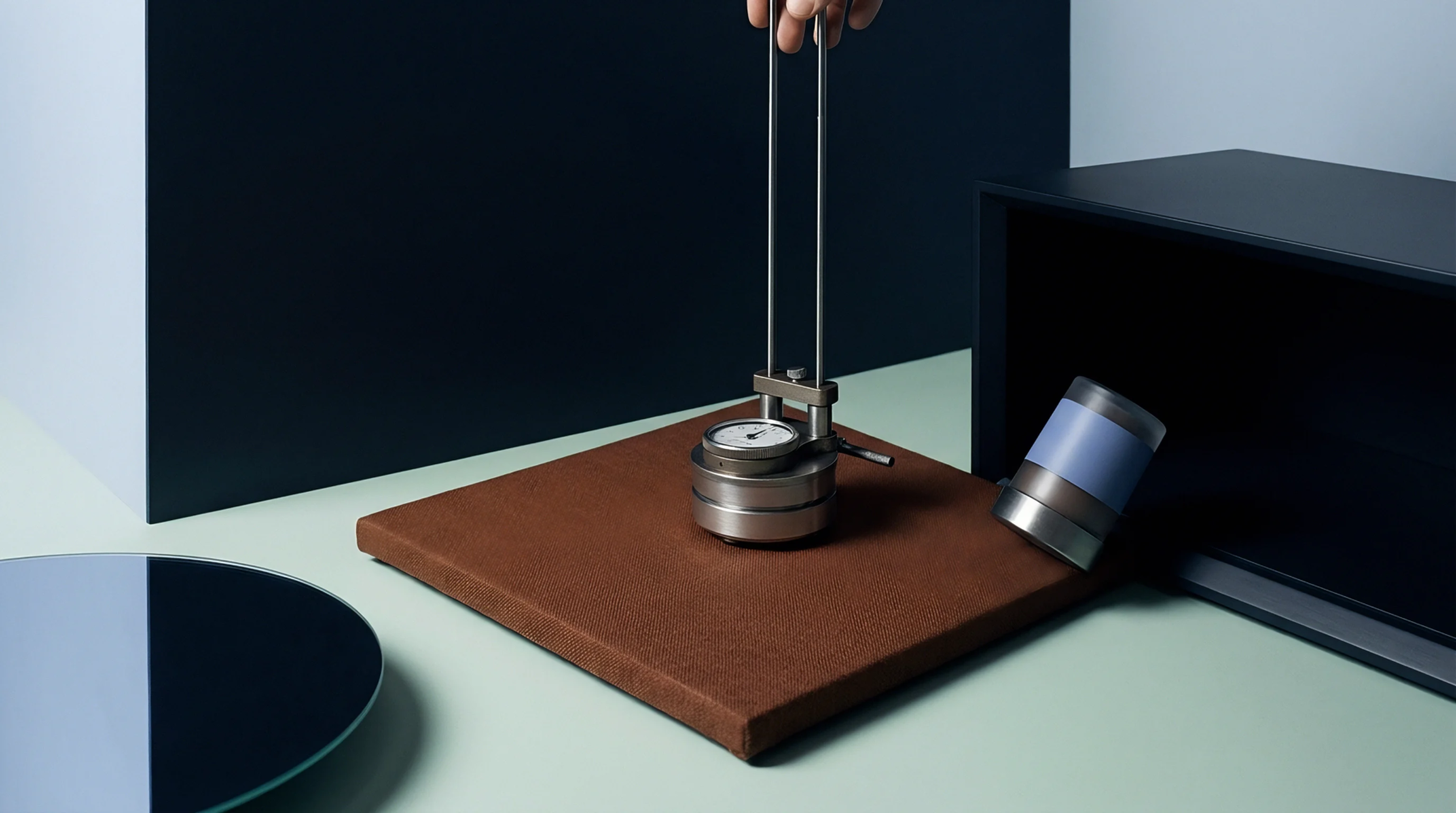
Laboratory personnel measure the mechanical properties of the finished linen to verify that the coating meets the established acceptance criteria for tensile strength and wash fastness. Quantitative testing involves standard abrasion cycles that reveal the structural integrity of the bond under physical friction. Results derived from these controlled trials define the suitability of the material for high usage applications where surface integrity remains a requirement for the final product.