Modified Polymer
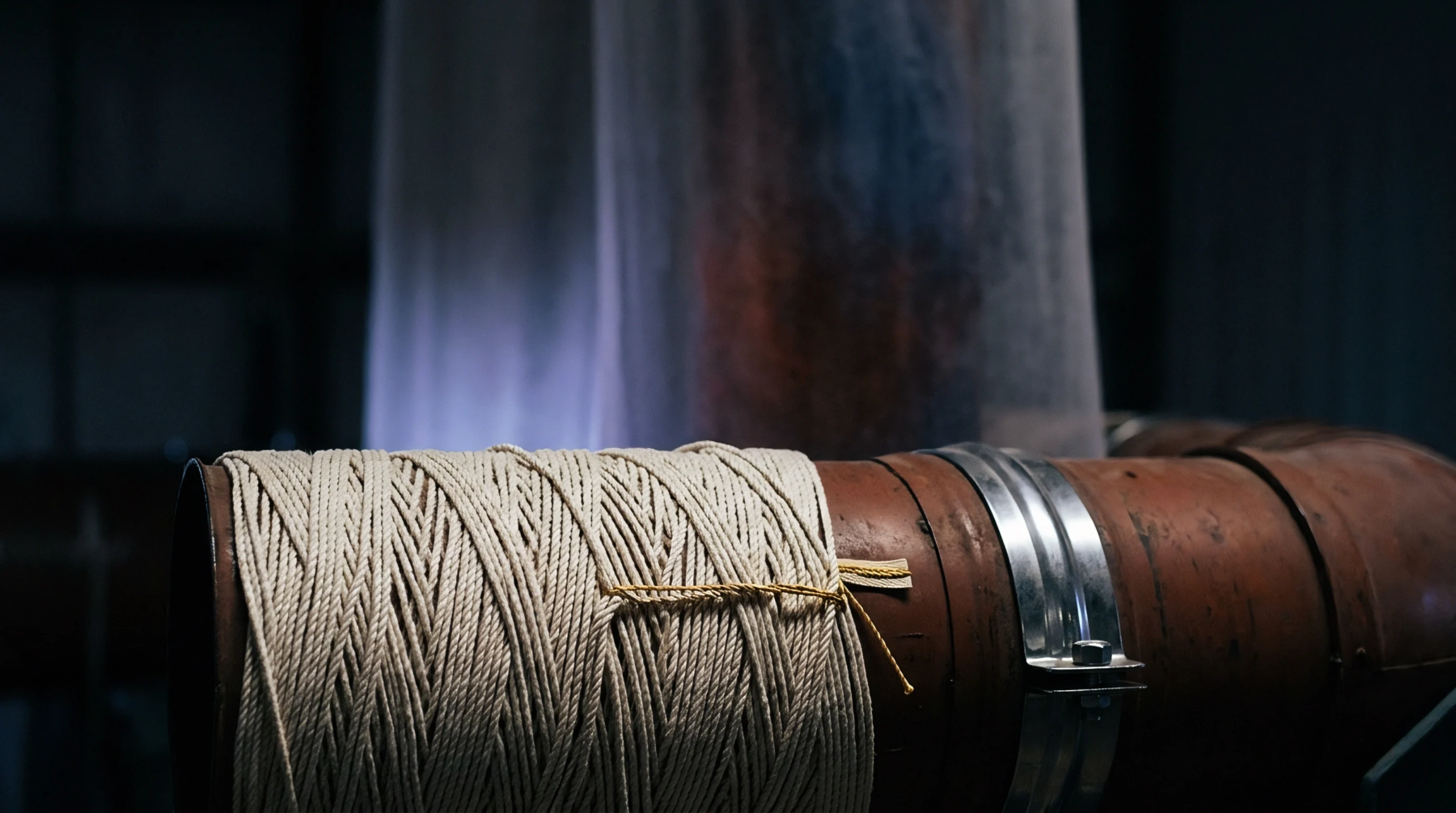
Controlled chemical treatment of natural grain or tuber starches using alkaline hypochlorite reagents produces low-viscosity, film-forming carbohydrate polymers. Processing raw granules into oxidized starch degrades amylose and amylopectin chains while introducing carboxyl and carbonyl functional groups, suppressing the tendency of cooked pastes to retrograde into insoluble gels upon cooling. In linen manufacturing, the polymer functions as an adhesive agent applied to flax warp yarns prior to weaving, providing surface binding without excessively high viscosity.
Its protective utility terminates upon completion of fabric construction, where enzymatic or alkaline desizing baths systematically wash the water-soluble residue out of the woven greige fabric.
Sizing Evaluation
Quality laboratories evaluate incoming starch shipments by measuring moisture content, carboxyl group percentages and paste clarity using spectrophotometric analysis. Viscosity testing in hot aqueous dispersion confirms whether molecular breakdown meets specified target ranges for warp sizing machines. Mill acceptance sheets track purity levels to ensure absence of residual chlorine, which could otherwise degrade natural flax cellulose during subsequent high-temperature cylinder drying.
Warp Protection
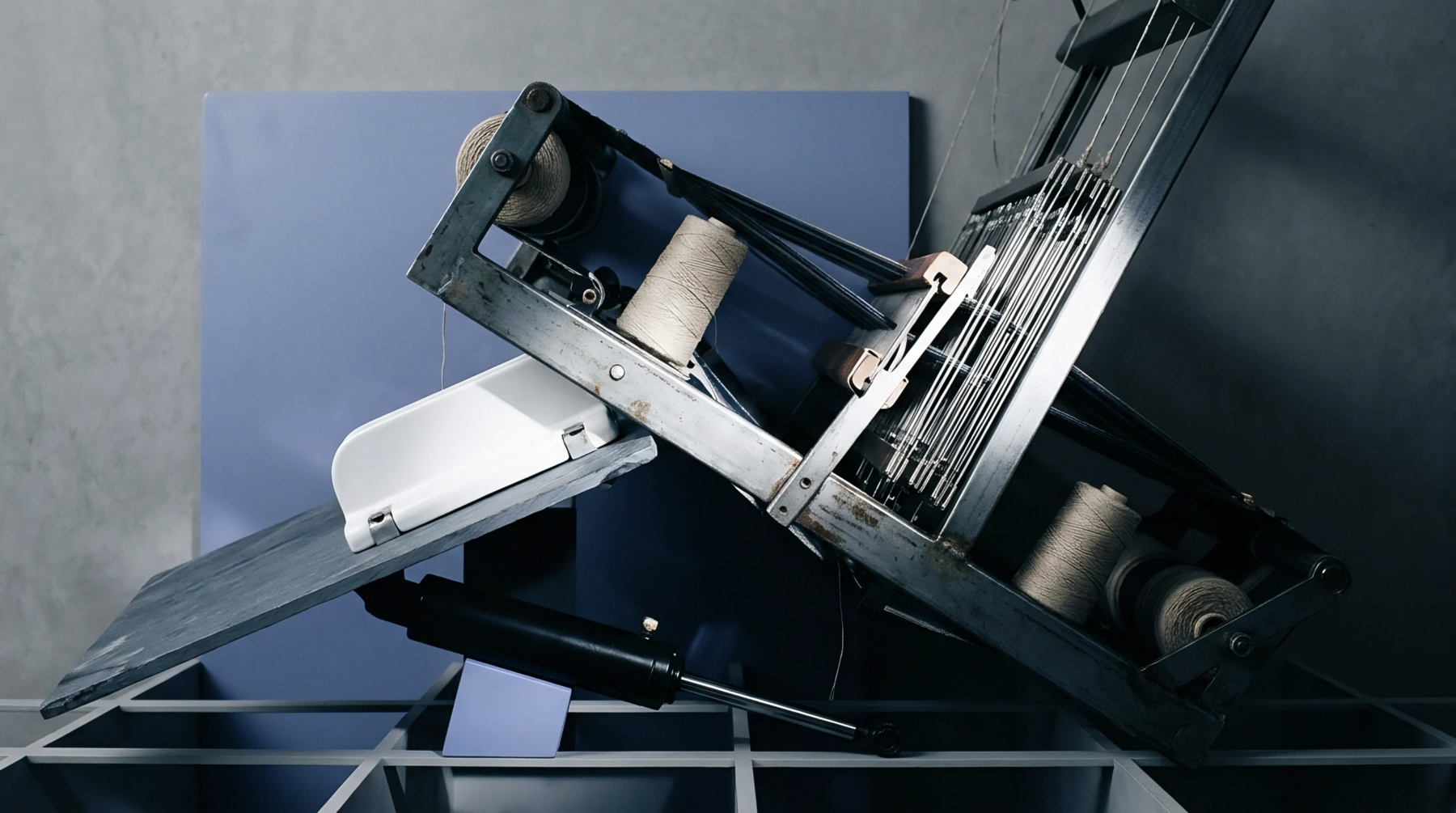
Natural flax yarns exhibit low elasticity and prominent surface fibrils that tangle easily during high-speed loom sheds. Sizing baths containing degraded oxidized polymer penetrate yarn crevices, cementing loose fibril ends to the primary yarn body while forming a smooth surface shield. The resulting yarn withstands aggressive friction against heddles, drop wires and reed dents, suppressing warp break rates on rapier and air-jet looms.