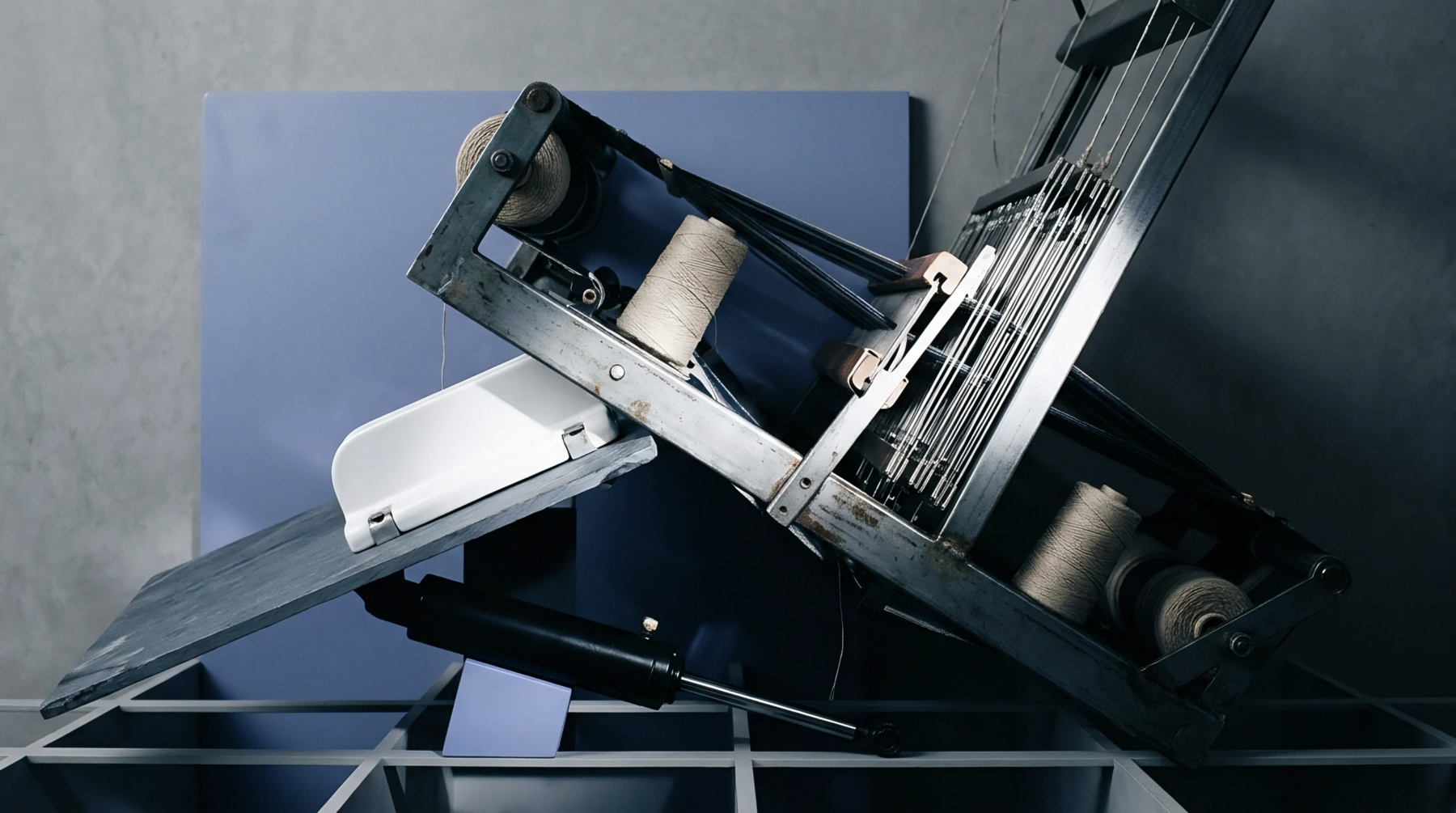
Computational Filter
Digital image filtering units define the precision of automated defect detection in high speed textile scanning. The morphological kernel acts as a mathematical grid that moves across pixels to emphasize or erode specific visual features of the fabric. This calculation allows the system to ignore small surface fuzz while highlighting significant defects like thick knots or foreign fibres.
The size and shape of the operator determine which yarn anomalies the software captures.
Structural Logic
Applying a specific geometric shape to the raw data stream enables the identification of patterns that a simple threshold might miss. The morphological kernel examines the proximity of darkened pixels to determine if they constitute a continuous slub or a series of minor neps. Operators choose different shapes (such as squares or crosses) to tune the sensitivity of the loom monitoring system to specific weaving faults.
This processing step happens in real time within the camera housing to ensure immediate feedback for the mill control system. The processing hardware requires high throughput to handle the mathematical operations without slowing the production line.
Detection Resolution
The final output of the image analysis depends on how the filter interacts with the texture of the linen. A morphological kernel must be calibrated to the specific weave density of the cloth to avoid false alarms triggered by the natural variation of the yarns. Once set, the logic remains constant across the entire production run to ensure uniform quality reporting.
The boundary of the filter performance is reached when the defect size is smaller than the smallest element of the kernel.