Sampling Machinery
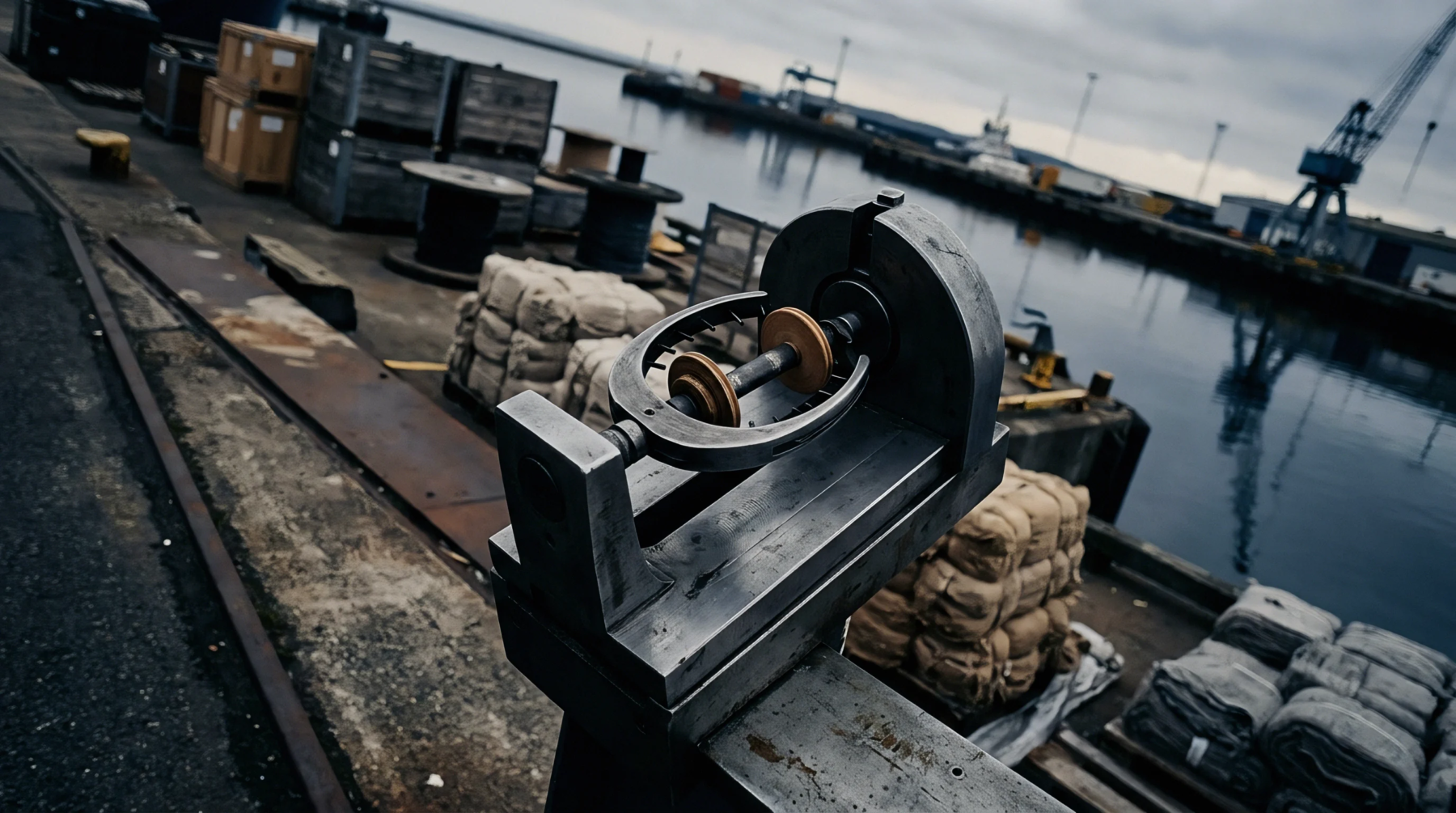
Mechanized extraction equipment applies steady fluid pressure to drive hollow sampling tubes into dense, compressed textile packages. Operating on intake docks and receiving warehouses, the hydraulic coring rig recovers pristine core samples from heavily compressed flax bales without tearing wire bands or damaging adjacent inventory. The machine utilizes a high-pressure hydraulic ram coupled to a motorized rotary drill head, ensuring uniform penetration speeds through high-density bast bundles.
By delivering mechanical force, the apparatus overcomes the extreme compaction typical of export-grade flax units, which defy manual sampling tools. Consistent depth penetration across multiple internal strata ensures that the collected fiber plug reflects internal humidity and trash distributions.
Rig Operation
Operators align the mobile frame with the intake bale and secure the stabilization clamps against the bale exterior. Once secured, the technician activates the dual-action hydraulic cylinder, which advances the rotating coring barrel smoothly into the bale core. The hardened cutting tip slices through the densely bound fiber strands, feeding a continuous plug of extracted material into the barrel interior.
Upon completing the calibrated stroke depth, the hydraulic system reverses stroke, withdrawing the tube cleanly without dislodging the surrounding bale structure. An integrated pneumatic or mechanical ram expels the core sample directly into an airtight receptacle held by the operator. The operator seals the canister immediately, tags it with a barcode identifier, and resets the hydraulic controls for the next sampling cycle.
Operational Boundaries
Hydraulic extraction systems exert extreme physical force that shears fiber bundles crosswise, permanently altering fiber strand length within the extracted core plug. Material collected via this machinery cannot undergo manual hackling evaluations, sliver uniformity analyses, or comb-sorter length profiling. If the hydraulic penetration speed is set too high, mechanical friction between the coring barrel and the dense bast strands generates localized heat, which may trigger premature moisture evaporation inside the sample tube.
Rig operation halts when encountering foreign metal bale ties, stones, or wooden framing, which can dull the cutting head. The equipment functions entirely as a sample retrieval mechanism, offering no diagnostic moisture data or qualitative assessment of the harvested fiber.