Tension Regulation
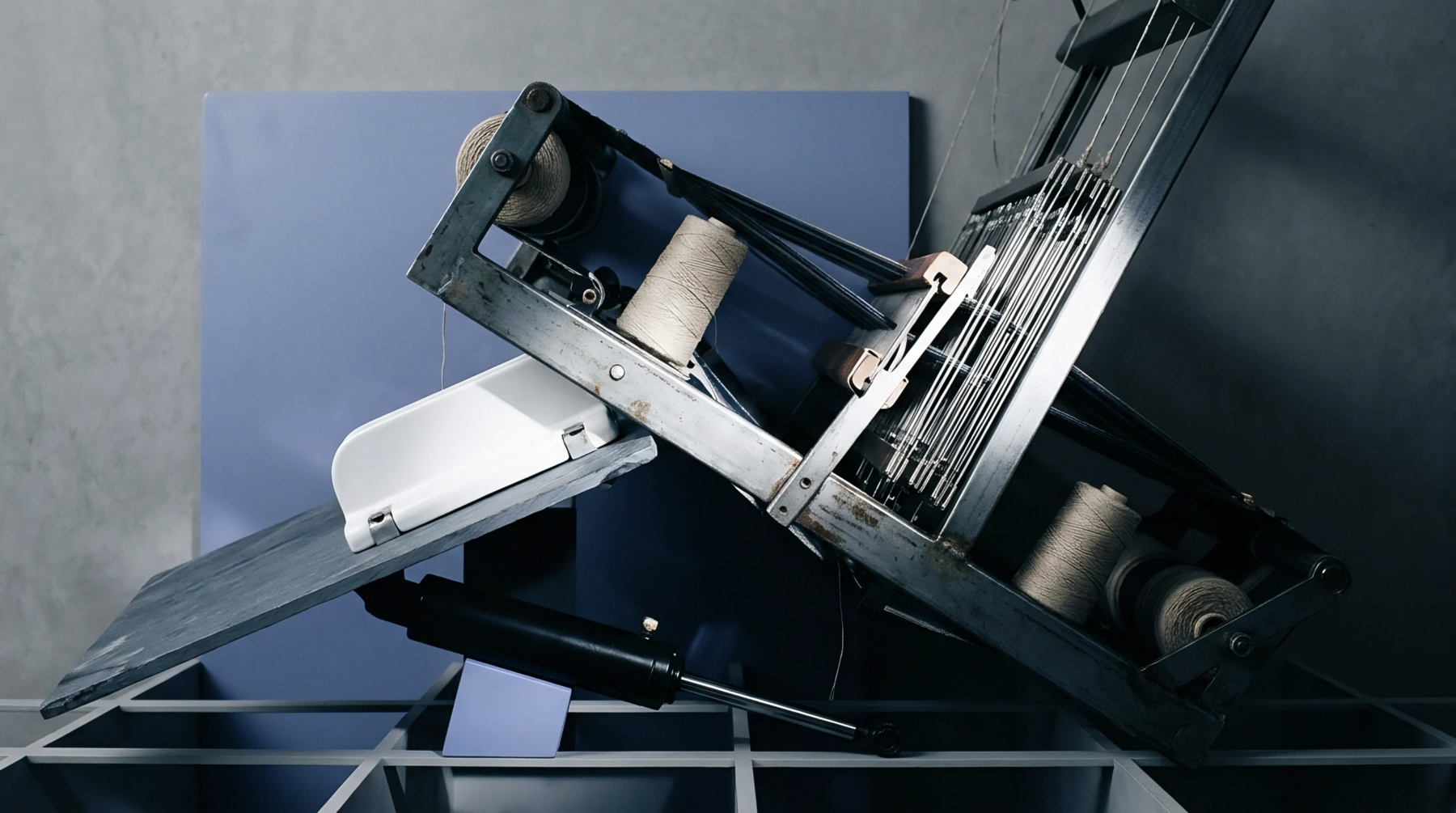
Closed-loop pressure regulation systems maintain uniform tension across continuous flax yarn sheets during high-speed sizing. Automated sizing machines rely on dancer roll pneumatics to buffer sudden velocity variations between feed packages and take-up beams. Irregularities in flax fibre drafting generate transient tension spikes that threaten thread integrity.
Mechanical feedback loops adjust cylinder air pressure to offset physical displacement before yarn breakage occurs.
Pneumatic Balance
Air cylinders connected to pivoting arms exert constant counteracting force against moving yarn webs. Solenoid valves modulate pneumatic pressure based on angular position sensors mounted to the pivot axis. When sizing speeds accelerate to several hundred metres per minute, compressed air reservoirs absorb mechanical shocks without introducing severe oscillations.
Low friction seals reduce hysteresis, allowing subtle tension adjustments across fine linen warp sheets. Mill operators record target pressure setpoints on daily batch processing sheets to ensure repeat production consistency across weaving shifts. Internal standards mandate tighter pneumatic tolerance ranges than buyer acceptance contracts require.
Damping Capacity
System compliance buffers mechanical variance across wet processing stages. Excess cylinder friction causes sudden tension jumps that stretch wet flax fibre beyond elastic recovery limits. Uncontrolled yarn extension produces structural defects in finished woven linen cloth.