Clamping Contact
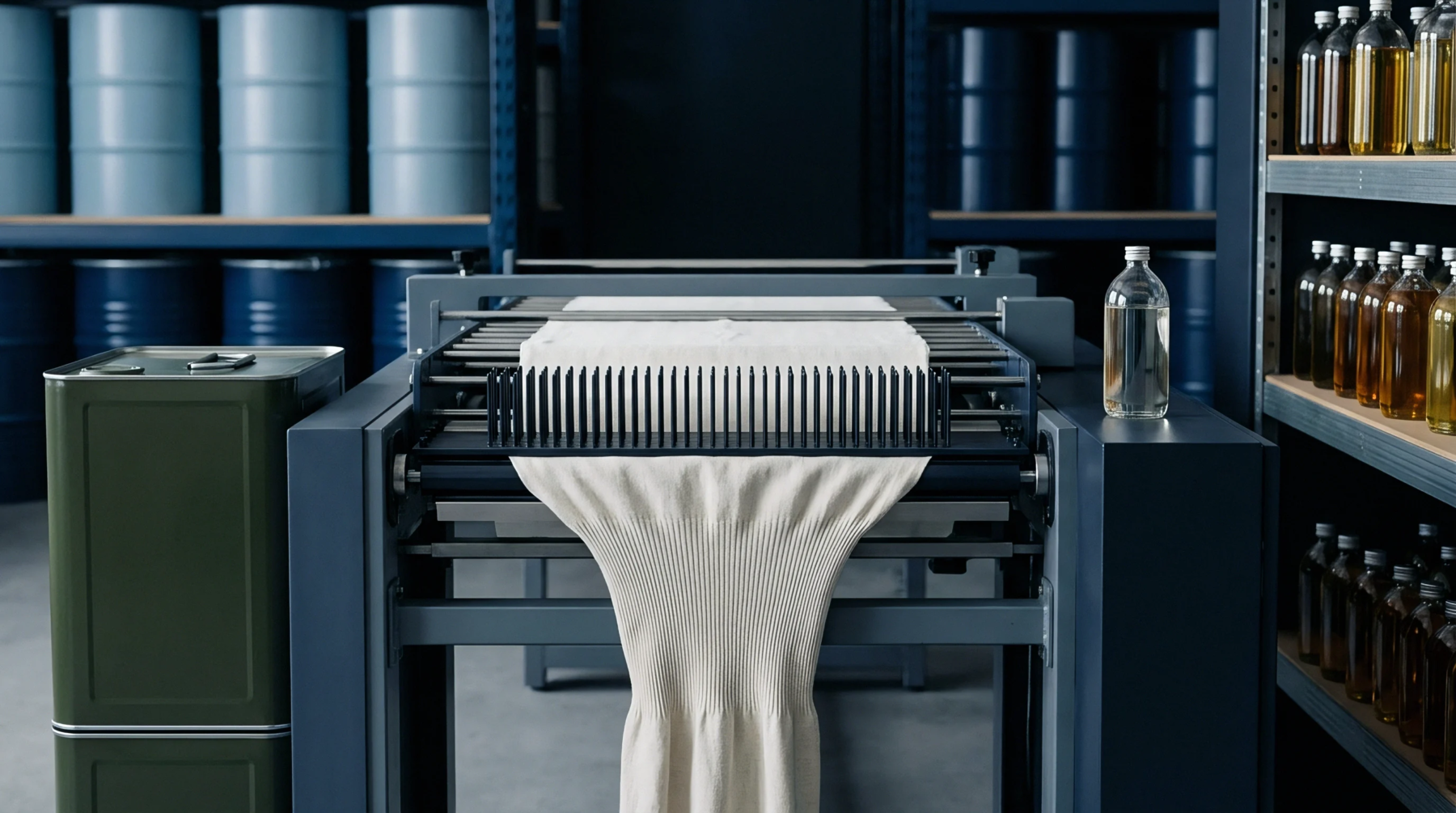
Friction-based hardware components stabilize the movement of raw flax fibre bundles across automated pulling and processing machines. A clamp jaw surface provides the mechanical grip required to maintain uniform tension during the initial extraction or refinement phases of linen production. This component exists to prevent slippage while the material undergoes high-velocity mechanical handling.
Operators verify the texture and composition of these contact areas to ensure that fibre strands remain intact without suffering shearing damage during transit.
Friction Integrity
Engineering teams monitor the material hardness of these contact points to determine when the mechanical bond degrades through sustained operational use. Worn finishes allow for micro-movements of the flax material that distort the uniformity of the final output. Maintenance protocols require a visual audit of the interface after every significant batch run to identify metal fatigue or resin buildup.
Excessive wear patterns signal that the gripping ability falls below the threshold needed for accurate fibre alignment in industrial looms.
Performance Threshold
Replacement schedules depend on the throughput volume of the specific machine rather than a fixed temporal calendar. High-density fibre processing accelerates the deterioration of the grip area far faster than light weaving applications. Accurate records of machine uptime provide the necessary evidence for scheduling the renewal of the clamping hardware.
Consistent surface topography on the jaw ensures the structural stability of the flax as it travels through the various stages of industrial preparation.