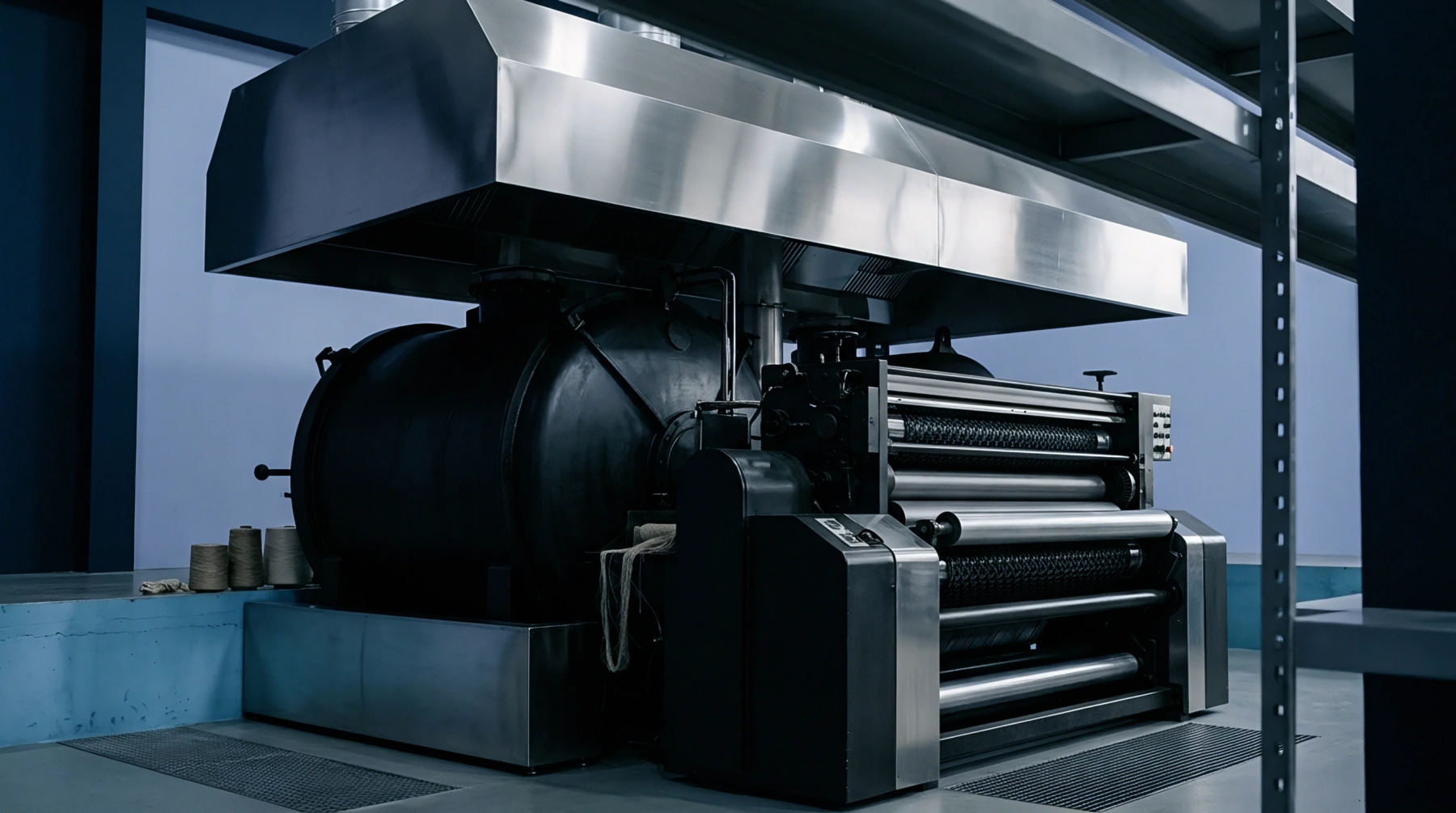
Membrane Separation
Industrial wastewater treatment systems employ pressurized barrier technology to extract suspended solids and high molecular weight compounds from process streams. In the context of linen wet processing, ceramic cross-flow microfiltration utilizes porous inorganic membranes to continuously clarify highly alkaline scour liquors and recycling wash water. The process operates under turbulent flow conditions parallel to the membrane surface to prevent the rapid accumulation of a filter cake.
This separation capability ends where dissolved salts and low molecular weight organic fractions require tighter nanofiltration limits.
Operational Mechanism
High velocity circulation of the fluid across the multi-channel ceramic elements generates shear stresses that sweep away accumulated debris. This dynamic action keeps the hydraulic permeability of the ceramic cross-flow microfiltration unit stable over prolonged operating runs. As the feed passes through the channels, a portion of the liquid penetrates the microscopic pores of the alumina or zirconia support to emerge as clean permeate.
Solid particulate matters, insoluble hemicellulose and coagulated pectin remain in the concentrated retentate stream. The thermal stability of these inorganic structures allows operations at boiling temperatures without membrane degradation.
Mill Integration
Integration of this filtration technology into the spinning mill or finishing house reduces raw water demand. The recovered hot scour bath returns directly to the preparation stage. Alkaline consumption decreases.
This closed-loop configuration functions continuously until chemical clean-in-place cycles are triggered by a predetermined drop in trans-membrane pressure.