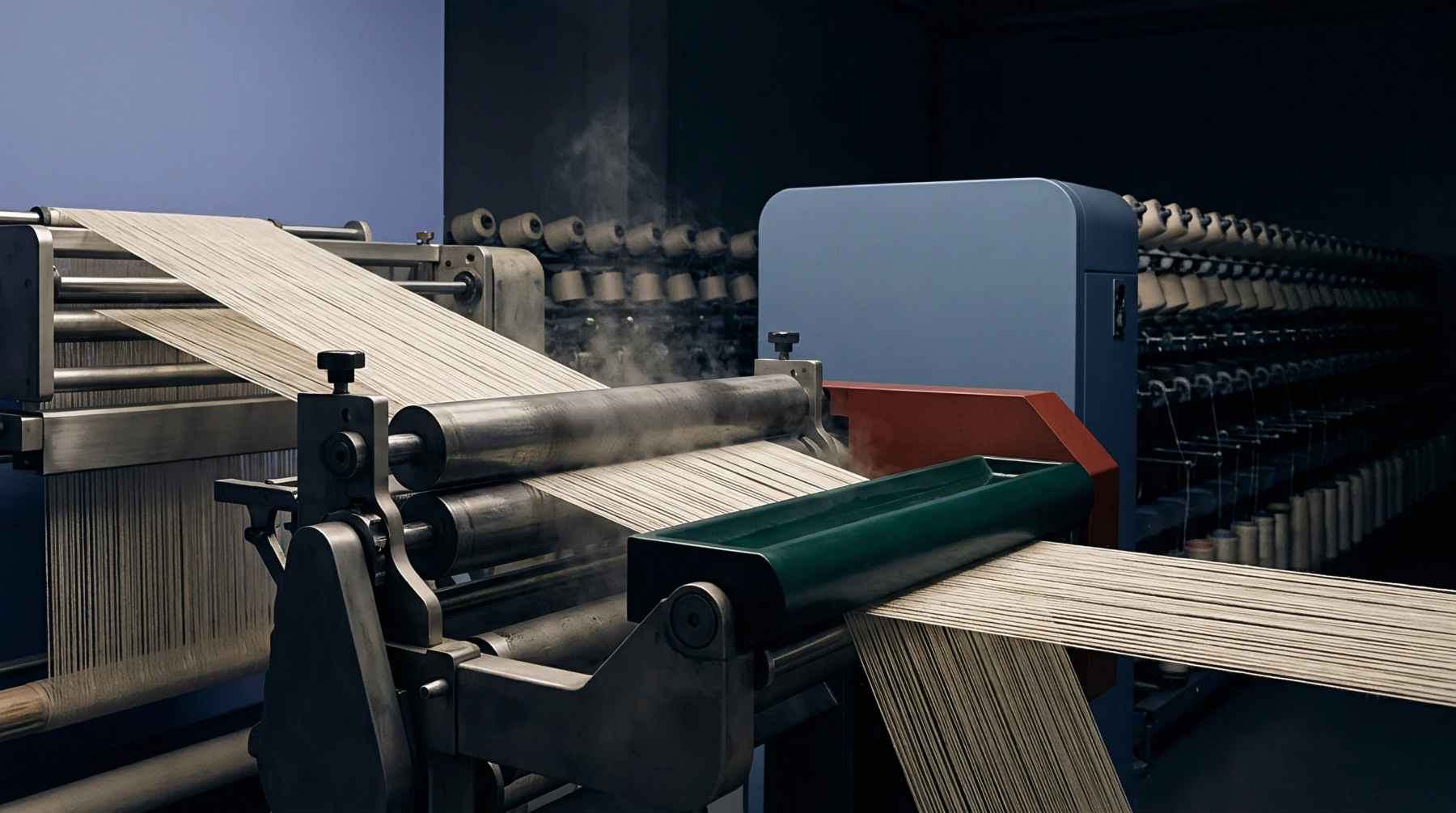
Pressure Sterilization
Thermal disinfection protocols rely on saturated steam under elevated pressure to eliminate microbial life from textile bundles within yarn packages and fabric rolls. The autoclave steam cycle operates as a precise sequence of air evacuation, steam injection, pressure holding, and vacuum drying inside a cylindrical pressure vessel. Chinese linen mills apply this rigorous parameter-controlled treatment to raw flax rovings, spun yarn cheeses, and finished woven piece goods to achieve sterile conditions prior to laboratory testing or medical textile export.
Temperature calibration charts and pressure recording logs document every completed run against strict internal quality specifications and buyer acceptance criteria.
Phase Parameters
Precise timing governs each segment of the chamber operation to protect delicate natural cellulose fibers from thermal degradation while ensuring complete heat penetration through dense yarn packs. Air removal typically utilizes repeated vacuum pulses to eliminate pockets that would otherwise prevent steam from reaching the innermost layers of wet flax material. Heating phases elevate internal vessel conditions to one hundred twenty-one degrees Celsius or higher, holding that plateau for twenty minutes before initiating the final drying vacuum stage.
Condensation management prevents moisture pooling on fabric surfaces, avoiding fiber weakening and mildew formation during subsequent storage periods.
Operator Control
Production technicians monitor temperature sensors and pressure gauges mounted on the exterior vessel wall to verify proper execution of the sterilization sequence. Safety interlocks prevent door opening until internal pressure returns to ambient atmospheric levels and temperature drops below safe handling limits. Deviation from specified dwell times triggers an automated alarm and requires complete reprocessing of the affected batch under corrected settings.
Calibration records substantiate the reliability of pressure transducers and temperature probes, maintaining compliance with international standards for textile microbiology control.