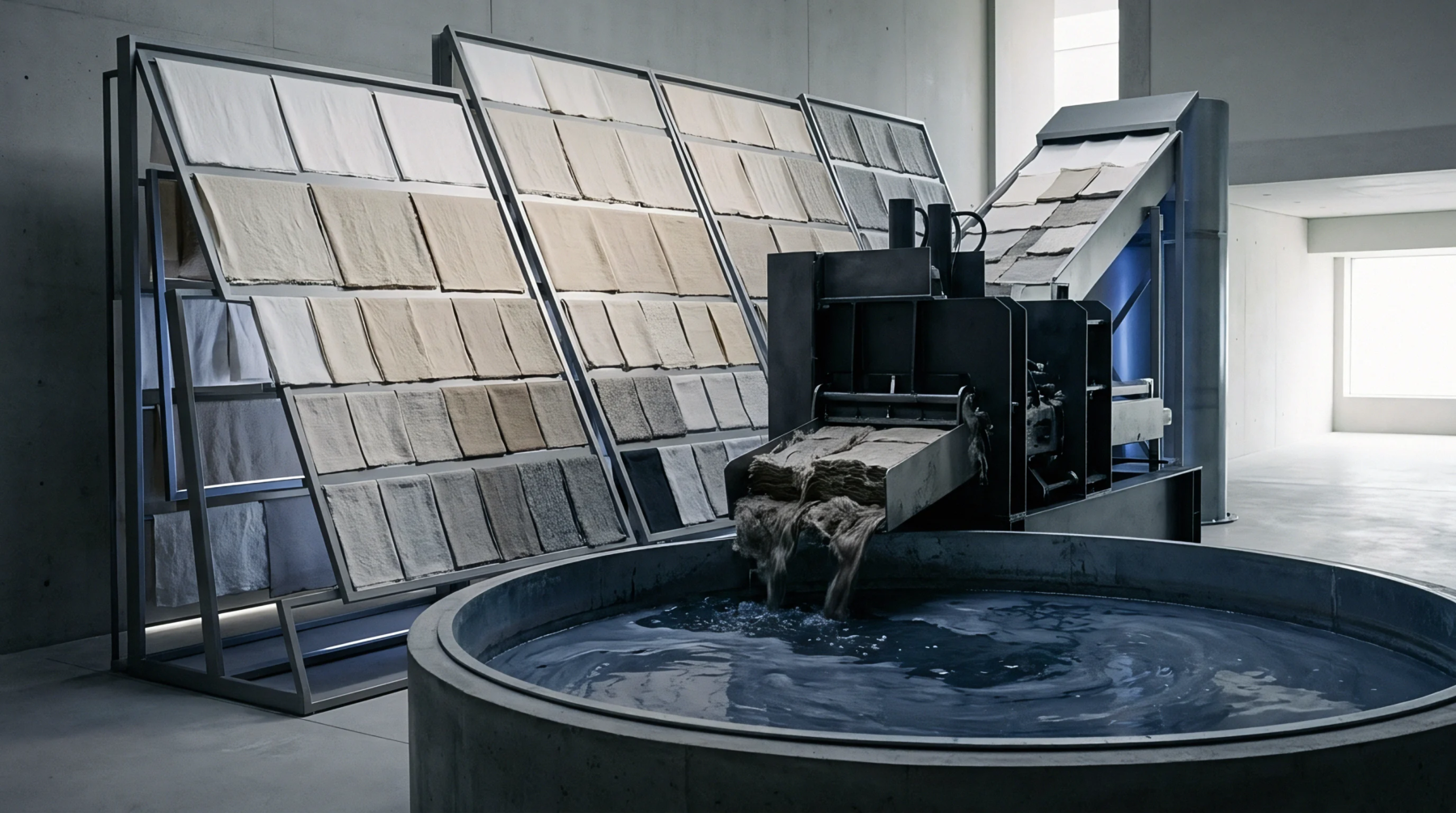
Chemical Neutralization
Pollution control technology removes hazardous substances from textile wash water before discharge. Effluent treatment processes apply physical, chemical and biological mechanisms to align waste streams with environmental discharge regulations. Flocculation settles suspended impurities while oxidation breaks down residual dyes.
Aerobic bacteria digest organic waste remaining in the water after initial filtration.
Environmental Compliance
Regulatory agencies mandate these systems to prevent waterway contamination from wet processing facilities. Flax fibres require retting, bleaching and dyeing stages that generate high volumes of wastewater containing scouring agents and inorganic salts. Factories monitor chemical oxygen demand and biological oxygen demand levels to verify system performance against local discharge permits.
Data logs record daily concentrations of total suspended solids and metallic residue. Failure to reach target purification levels results in operational fines or suspension of production licenses.
System Integration
Industrial filtration equipment sits at the terminal stage of the textile finishing line within a mill. Process managers route wastewater from dye baths and wash tanks into primary clarifiers to capture heavy particles. Clarified liquid moves into biological tanks for secondary breakdown.
Final polishing stages remove trace odours and discoloration before the filtered water exits the facility. Properly calibrated treatment units reduce raw water intake requirements through internal circulation.